
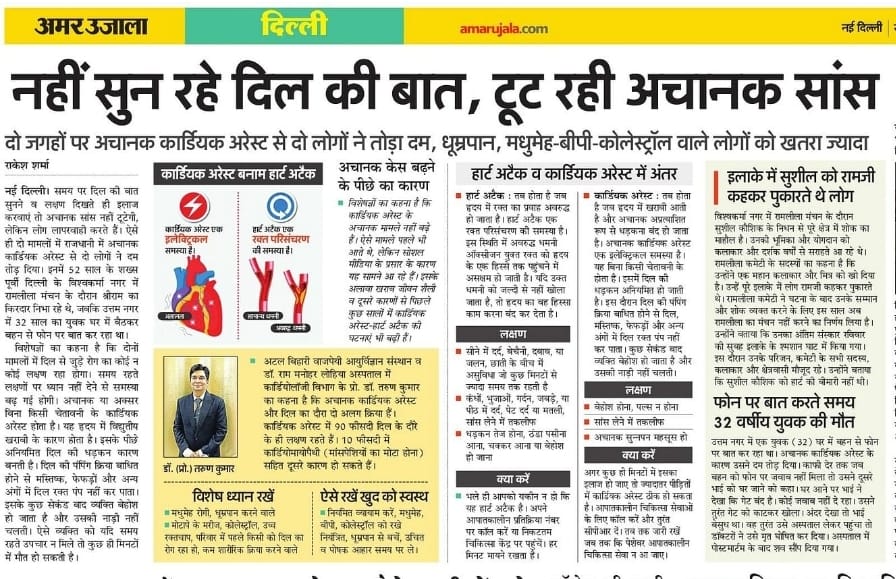
In recent years, India has witnessed a disturbing trend: a sharp increase in cardiac arrests among young adults. A recent report from Amar Ujala (Delhi edition) highlighted a tragic day in Delhi where two young individuals succumbed to sudden heart attacks, underscoring a broader health crisis. Alongside this, the prevalence of diabetes, high blood pressure (BP), and cholesterol among the youth is reaching dangerous levels. This blog delves into the causes, warning signs, and preventive measures to address this growing epidemic, drawing insights from cardiologists and health experts.
The Alarming Statistics: A Health Crisis in the Making
The Amar Ujala article reveals that in Delhi alone, two young individuals suffered fatal cardiac arrests in a single day. This is not an isolated incident but part of a larger pattern. According to cardiologist Dr. Tarun Kumar, approximately 10 percent of heart attack cases in the capital now involve individuals under the age of 30—a statistic that was unimaginable a decade ago. What’s more concerning is the simultaneous rise in lifestyle-related conditions like diabetes, hypertension, and high cholesterol among people in their 20s and 30s.
The article cites a mix of factors contributing to this crisis: poor lifestyle choices, lack of awareness, and delayed medical intervention. Young adults are increasingly adopting sedentary habits, consuming unhealthy diets, and neglecting early warning signs of heart issues, which often prove fatal.
Understanding Cardiac Arrest vs. Heart Attack
To address this issue, it’s crucial to differentiate between a cardiac arrest and a heart attack, as explained in the article:
- Cardiac Arrest: This occurs when the heart suddenly stops beating due to an electrical malfunction, halting blood flow to the body. It’s often sudden and requires immediate intervention like CPR or defibrillation to restore the heartbeat.
- Heart Attack: This happens when blood flow to a part of the heart is blocked, often due to a clot in a coronary artery, leading to damage in the heart muscle. While a heart attack can lead to cardiac arrest, the two are not the same.
The article emphasizes that many young adults are unaware of these distinctions and fail to recognize symptoms, delaying critical care.
Why Are Young Adults at Risk?
The rise in cardiac issues among the youth isn’t a mystery—it’s a direct consequence of modern lifestyles. The article lists several contributing factors:
- Sedentary Lifestyle: Many young adults spend long hours sitting, whether at work, gaming, or scrolling through social media, with little to no physical activity.
- Unhealthy Diet: The popularity of fast food, high in trans fats, sugar, and sodium, has led to obesity, high cholesterol, and diabetes.
- Stress and Mental Health: Academic pressure, job stress, and financial worries contribute to chronic stress, which elevates blood pressure and strains the heart.
- Smoking and Alcohol: Increased use of tobacco and excessive alcohol consumption are major risk factors for heart disease.
- Lack of Sleep: Irregular sleep patterns and insufficient rest disrupt the body’s natural rhythm, increasing the risk of hypertension and heart issues.
- Genetic Predisposition: A family history of heart disease, diabetes, or hypertension can make individuals more susceptible, especially if lifestyle factors exacerbate the risk.
Dr. Kumar points out that the combination of these factors creates a “perfect storm” for cardiac issues, even in those who appear outwardly healthy.
Warning Signs: Don’t Ignore Your Body
One of the most critical points raised in the article is the importance of recognizing early symptoms of heart trouble. Many young adults dismiss these signs as minor discomfort, only to face fatal consequences. Key warning signs include:
- Chest pain or discomfort (feeling pressure, tightness, or burning)
- Shortness of breath, especially during physical activity
- Excessive sweating, even without exertion
- Dizziness or fainting spells
- Pain radiating to the arms, jaw, or back
- Unexplained fatigue or weakness
- Palpitations or irregular heartbeat
The article stresses that these symptoms should never be ignored, especially if they persist for more than a few minutes. Immediate medical attention can be the difference between life and death.
The Role of Lifestyle Diseases: Diabetes, BP, and Cholesterol
The article highlights the alarming rise in diabetes, high blood pressure, and cholesterol among young adults, which act as silent killers. These conditions often go undiagnosed until they cause severe complications like heart attacks. For instance:
- Diabetes: High blood sugar damages blood vessels and nerves, increasing the risk of heart disease.
- High Blood Pressure: Chronic hypertension forces the heart to work harder, leading to heart muscle thickening and eventual failure.
- High Cholesterol: Excess LDL (bad cholesterol) leads to plaque buildup in arteries, restricting blood flow to the heart.
Experts in the article recommend regular health check-ups, especially for those with a family history of these conditions, to catch and manage them early.
Expert Advice: How to Protect Yourself
Dr. Tarun Kumar and other health experts quoted in the article provide actionable advice to reduce the risk of cardiac issues:
- Adopt a Healthy Diet:
- Include more fruits, vegetables, whole grains, and lean proteins.
- Limit processed foods, sugary drinks, and trans fats.
- Opt for heart-healthy fats like those found in nuts, seeds, and olive oil.
- Stay Active:
- Aim for at least 30 minutes of moderate exercise (e.g., brisk walking, cycling) five days a week.
- Incorporate strength training to improve overall cardiovascular health.
- Manage Stress:
- Practice mindfulness techniques like meditation or yoga.
- Ensure work-life balance and take breaks to unwind.
- Quit Smoking and Limit Alcohol:
- Smoking cessation significantly reduces heart disease risk within a year.
- Limit alcohol to moderate levels (one drink per day for women, two for men).
- Prioritize Sleep:
- Aim for 7–8 hours of quality sleep per night.
- Maintain a consistent sleep schedule to regulate your body’s internal clock.
- Regular Health Check-Ups:
- Monitor blood pressure, cholesterol, and blood sugar levels annually.
- If you have a family history of heart disease, consult a cardiologist for personalized advice.
The Importance of Awareness and Immediate Action
The article underscores the need for public awareness campaigns to educate young adults about heart health. Many cases of sudden cardiac arrest can be prevented if people act swiftly at the first sign of trouble. For instance, learning basic CPR can be a lifesaver in emergencies. Additionally, workplaces and schools should have access to automated external defibrillators (AEDs) to handle sudden cardiac arrests.
A Call to Action: It’s Time to Prioritize Heart Health
The tragic deaths reported in Amar Ujala serve as a stark reminder that heart disease is no longer an “old person’s problem.” Young adults in India and across the world must take proactive steps to protect their health. By making small but consistent changes to our lifestyle—eating better, staying active, managing stress, and getting regular check-ups—we can significantly reduce the risk of cardiac issues.
Let’s not wait for a wake-up call in the form of a health scare. Start today, because your heart deserves better.