
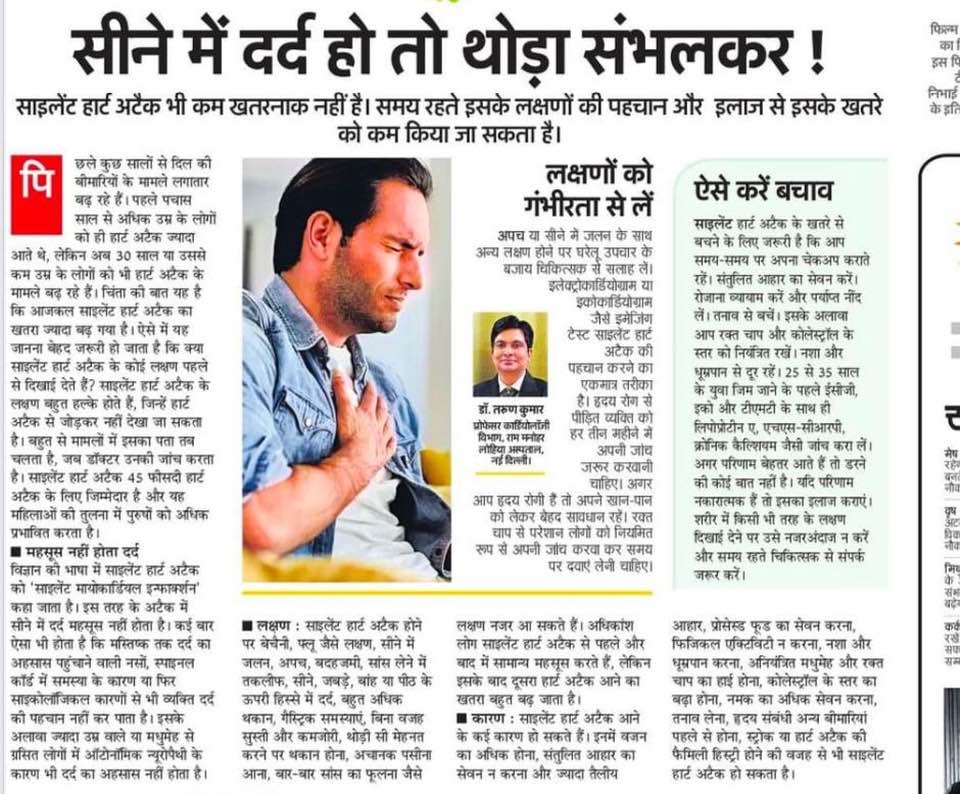
Heart attacks are often associated with dramatic chest pain, but did you know that a silent heart attack can occur without obvious symptoms? According to Dr. Vivek Kumar, a renowned cardiologist, timely recognition of subtle signs and immediate medical intervention can be the difference between life and death. In this blog, we’ll explore the dangers of silent heart attacks, how to identify their symptoms, and steps to prevent them.
What Is a Silent Heart Attack?
A silent heart attack, as explained by Dr. Vivek Kumar, occurs when blood flow to the heart is blocked, but the person experiences minimal or no noticeable symptoms. These attacks are particularly dangerous because they often go undiagnosed, increasing the risk of future heart complications. Studies suggest that 45% of heart attacks are silent, making awareness and early detection critical.
Recognizing the Subtle Signs of a Heart Attack
Unlike a typical heart attack, silent heart attacks may present with mild or atypical symptoms. Dr. Kumar highlights the following warning signs to watch for:
- Mild Chest Discomfort: A feeling of pressure or tightness in the chest that may come and go.
- Fatigue and Weakness: Unusual tiredness, especially in women, that persists for days.
- Shortness of Breath: Difficulty breathing, even without exertion.
- Pain in Other Areas: Discomfort in the jaw, neck, back, or arms, often mistaken for muscle strain.
- Sweating or Dizziness: Sudden cold sweats or lightheadedness.
If you experience any of these symptoms for more than a few minutes, especially if you have risk factors like high cholesterol, diabetes, or a family history of heart disease, seek medical help immediately.
Why Timely Intervention Matters
Dr. Kumar stresses that the first 30 minutes after a heart attack are crucial. During this “golden hour,” treatments like angioplasty or clot-dissolving medications can restore blood flow and minimize heart damage. Delaying medical care can lead to irreversible harm or even sudden cardiac arrest. For silent heart attacks, the lack of obvious symptoms often causes people to ignore the issue, which is why awareness is key.
How to Prevent Heart Attacks
Prevention is always better than cure. Dr. Kumar recommends the following lifestyle changes to reduce your risk of both silent and typical heart attacks:
- Monitor Your Health: Regular checkups to track cholesterol, blood pressure, and blood sugar levels.
- Adopt a Heart-Healthy Diet: Include more fruits, vegetables, whole grains, and healthy fats while limiting processed foods and sugars.
- Stay Active: Aim for at least 30 minutes of moderate exercise, like brisk walking, five days a week.
- Manage Stress: Practice relaxation techniques such as yoga or meditation to keep stress levels in check.
- Quit Smoking: Smoking is a major risk factor for heart disease—quitting can significantly lower your risk.
Diagnostic Tests for Heart Health
If you’re at risk, Dr. Kumar advises getting regular diagnostic tests like an electrocardiogram (ECG) or stress test to detect any underlying heart issues. For those with a history of heart problems, advanced tests like a coronary angiogram may be recommended to assess blockages in the arteries.
Act Fast, Save a Life
A heart attack, whether silent or not, is a medical emergency. Dr. Kumar urges everyone to take symptoms seriously and seek help immediately. If you or someone around you shows signs of a heart attack, call emergency services without delay. The faster you act, the better the chances of survival and recovery.
Conclusion
Silent heart attacks are a hidden threat, but with awareness and proactive steps, you can protect yourself and your loved ones. Recognize the subtle signs, prioritize heart health, and act swiftly if symptoms arise. As Dr. Vivek Kumar emphasizes, timely intervention can make all the difference. Stay heart-healthy, and don’t ignore the warning signs—your life may depend on it.