
The World Heart Day is observed on September 29 every year to raise awareness about heart health and accelerate actions to prevent, detect and manage cardiovascular diseases. As per an estimation, the WHO South-East Asia Region is home to a quarter of the world’s population and the region is experiencing a very high burden of noncommunicable diseases (NCDs). The cardiovascular diseases (CVDs) are responsible for 3.9 million annual deaths, making up 30 per cent of all deaths.
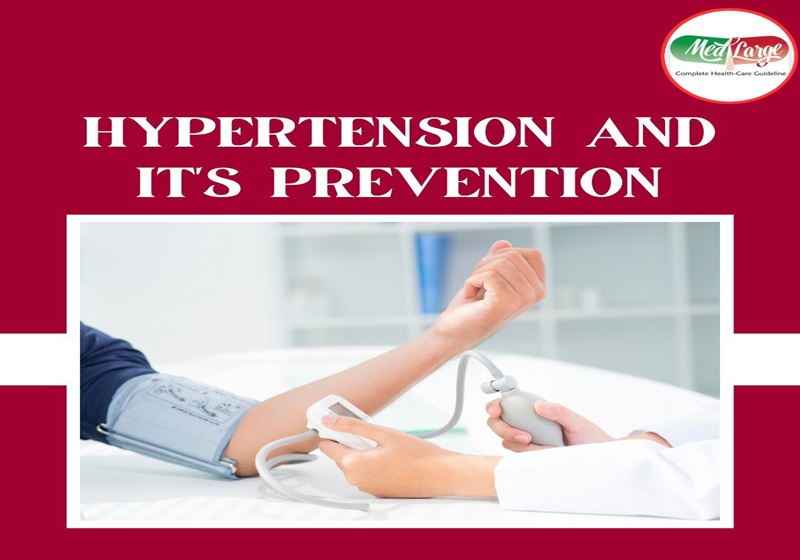
Hypertension Day: Know the symptoms and prevention measures of high blood pressure
High blood pressure , also known as hypertension, is a serious health problem that can lead to heart disease, stroke, and other health problems over time. It occurs when blood pressure measurements are consistently above the normal range. Normal blood pressure is 120/80 mmHg, and when it is 140/90 mmHg or higher, it is considered high blood pressure. According to JAMA Journal 2019 research, 1 in every 4 adults in India has high BP. Most of these cases are not detected in time.
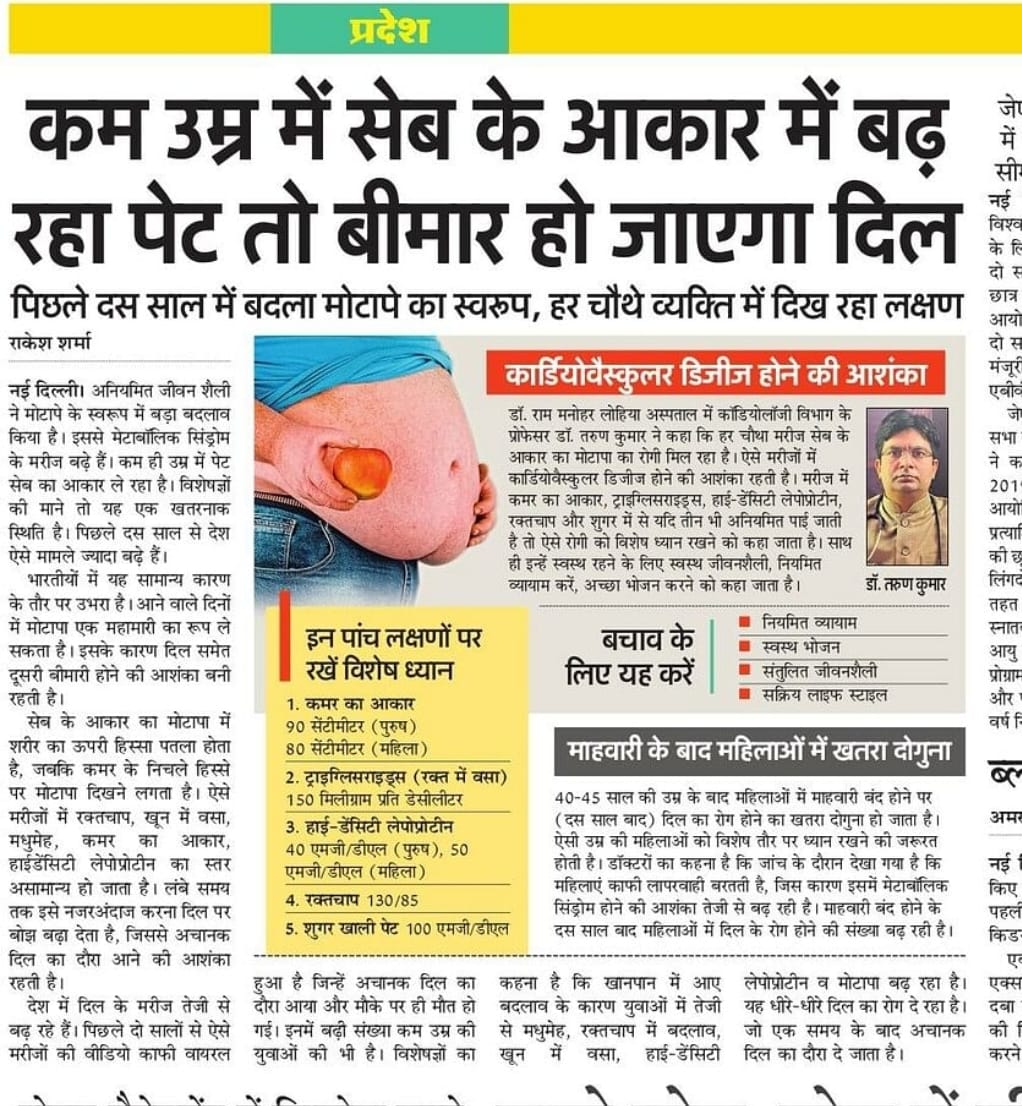
The Growing Epidemic of Obesity and Heart Disease in Young Adults: A Focus on Delhi
Over the past decade, Delhi has seen a dramatic rise in obesity among its youth, a trend that is now being linked to an alarming increase in cardiovascular diseases. A recent article published in the Pradesh section of a Hindi newspaper sheds light on this growing health crisis, emphasizing the risks of obesity, particularly for women after menopause, and the urgent need for awareness and lifestyle changes. With insights from cardiologist Dr. Tarun Kumar, this blog explores the causes, risks, and preventive strategies to combat this escalating epidemic.
India moving towards being Hypertension nation,1 out of 4 suffer with disease: Dr Tarun
On the occasion of ‘World Hypertension Day’ to be observed on Friday, health experts have warned that this is a common yet often asymptomatic condition that affects millions of people across the world.
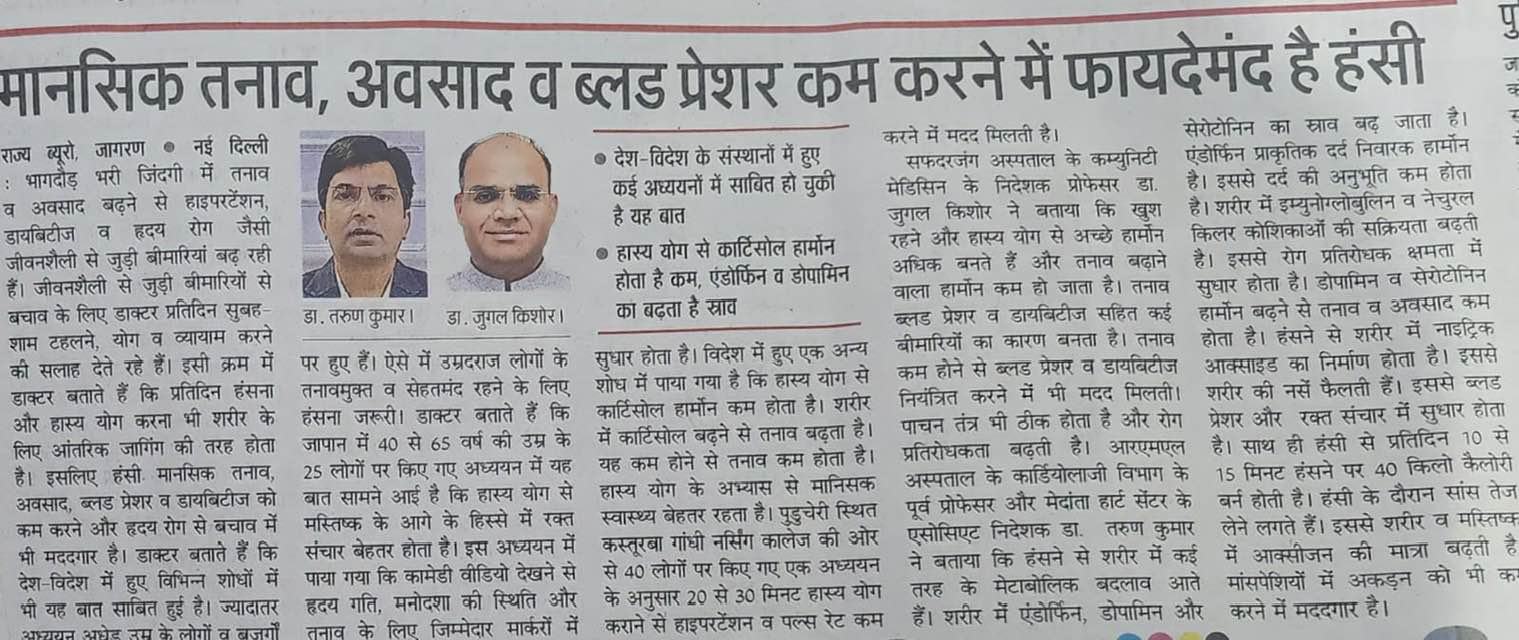
The Power of Yoga: Reduce Stress, Anxiety, and Blood Pressure Naturally
Yoga has long been celebrated as a holistic practice that nurtures both the body and mind. In a recent discussion, experts Dr. Tarun Kumar and Dr. Ujjwal Kishore highlighted how yoga can significantly reduce stress, anxiety, and blood pressure while also helping manage chronic conditions like hypertension, diabetes, and heart disease. This blog explores the transformative benefits of yoga and why incorporating it into your daily routine can lead to a healthier, happier life.
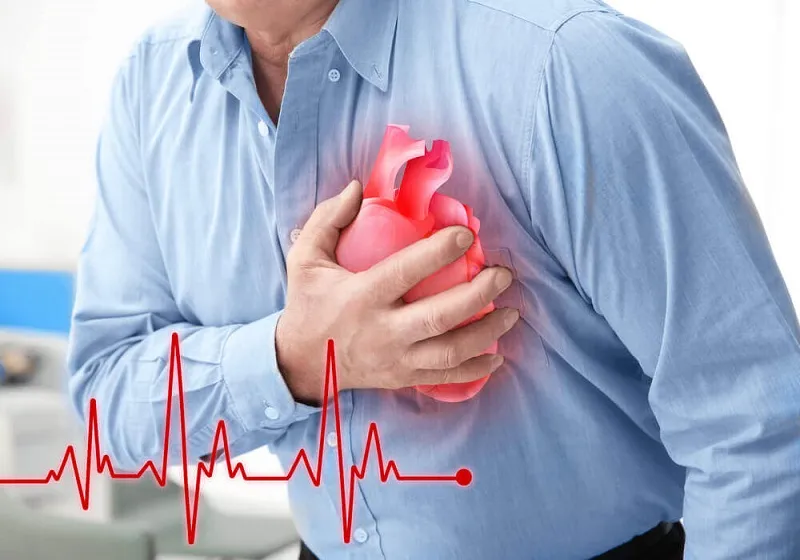
Rising trends of Coronary Artery Disease among youths, HPV Infection may emerge risk factor
In recent years, the increasing prevalence of coronary artery disease (CAD) in individuals under 50 has become a major public health concern. This condition not only affects quality of life but also places a significant financial burden on healthcare systems. Researchers are now investigating potential causes behind this trend, and a new factor has emerged – Human Papillomavirus (HPV).

Heart attack vs cardiac arrest: Experts explain the surge
NEW DELHI: In the last few days, several incidents have come to light where a man suddenly fell due to an attack and died. In an incident from Uttar Pradesh’s Bareilly, a 48-year-old man died after he suddenly fell while dancing during a birthday party.
In one such incident, Yogesh Gupta, a resident of Jammu, collapsed and died on stage in the middle of his performance. Many such incidents have been reported in the recent past which has sparked a new debate about whether such attacks are on the rise in the post-Covid era.
No, it is not always a heart attack, says Dr (Prof) Tarun Kumar, Professor of Cardiology, RML Hospital. While talking to IANS, he said, “We hear people make these statements often interchangeably when someone has a heart condition. But they are not synonyms”.
“A heart attack is when blood flow to the heart is blocked, while sudden cardiac arrest is when the heart malfunctions and suddenly stops beating unexpectedly. A heart attack is a ‘circulation’ problem and sudden cardiac arrest is an ‘electrical problem’, explained Dr Kumar.
Sudden cardiac arrest can occur after a heart attack, or during recovery. Heart attacks increase the risk of sudden cardiac arrest. Most heart attacks do not lead to sudden cardiac arrest. But when sudden cardiac arrest occurs, a heart attack is a common cause, he said.
Dr Kumar said further that other heart conditions may also disrupt the heart’s rhythm and lead to sudden cardiac arrest. These include a thickened heart muscle (cardiomyopathy), heart failure, arrhythmias, particularly ventricular fibrillation, and long Q-T syndrome. He added further that cardiac arrest is reversible if it is treated within a few minutes. Call for emergency medical services and Begin CPR (Cardiopulmonary resuscitation) immediately and continue until professional emergency medical services arrive.
By performing hand CPR, the chances of survival rise to double or triple fold and bystander CPR, it can prove lifesaving in out-of-hospital cardiac arrest, he said.
On the rise of such cases post-Covid era, he said this is mainly because of two reasons firstly, because of increase in the incidence of cardiac arrest or heart attack in the general population as the physical activity was reduced during the Covid era and even after that and secondly, because of the wide availability of mobile phone with a camera or CCTV footage, such incidents in no time come to the Internet and go viral, Dr Kumar said.
Apart from heart-related ailments, the pandemic has triggered an array of emotional, physical, and economic issues. The post-Covid emerging literature underlines the impact of various traumatic stressors related to Covid-19 which has already led to diverse mental health problems, including anxiety, depression, posttraumatic stress disorder, and other trauma- and stress-related disorders adversely affecting both the frontline warrior doctors and the patients.
“Declining mental health remains a silent epidemic in India and the urban lifestyles are primary drivers. Amid the health workers’ emotional toll of caring for the unwell, their own mental health tends to be even more neglected, negatively impacting their physical and emotional health. Their unpredictable and erratic work schedules with long working hours and exposure to human suffering frequently results in mental blockage and burnout,” said Deepak Sharma, Co-Founder and CEO, MedLern.
When healthcare professionals seek treatment for substance abuse or mental health issues, they are frequently regarded as less capable and unpredictable. Emotional, psychological, and social well-being are crucial. The important aspect is how we respond to stress, he said.
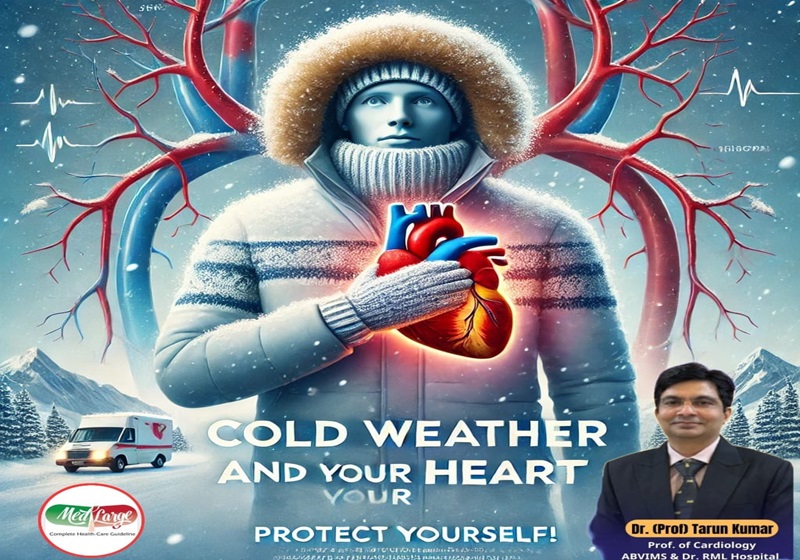
The risk of heart attack increases in winter, know how to take care
The winter season brings with it a soothing coolness and the joy of festivals, but it can also be dangerous for your health. Do you know that cold weather can pose a major threat to your heart? According to experts, the chances of heart attack increase in winter, and cold is the direct reason behind this.
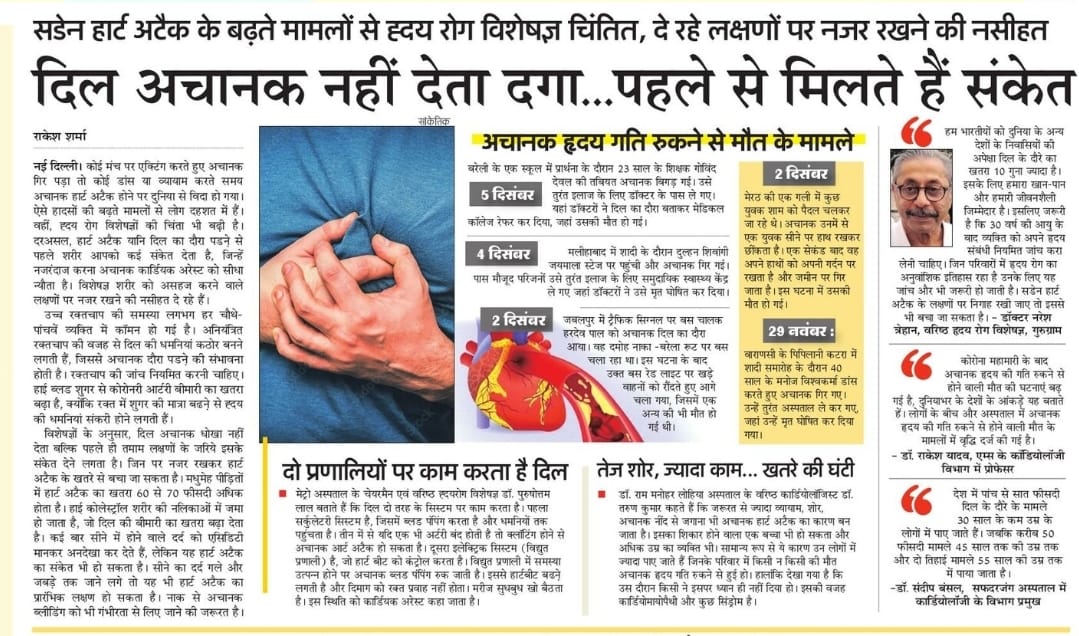
Sudden Heart Attacks in Delhi 2025: Why Young Indians Are at Risk
In recent years, Delhi has witnessed a disturbing rise in sudden heart attacks, even among young and seemingly healthy individuals. According to cardiologists, cases of heart attacks in people under 40 have surged, with some as young as 23 experiencing fatal cardiac events. A report highlighted in a leading Hindi newspaper on June 6, 2025, reveals that cardiologists in metro cities like Delhi are increasingly concerned about this trend. This blog explores the causes of sudden heart attacks in young Indians, warning signs to watch for, and expert-backed tips to prevent them.
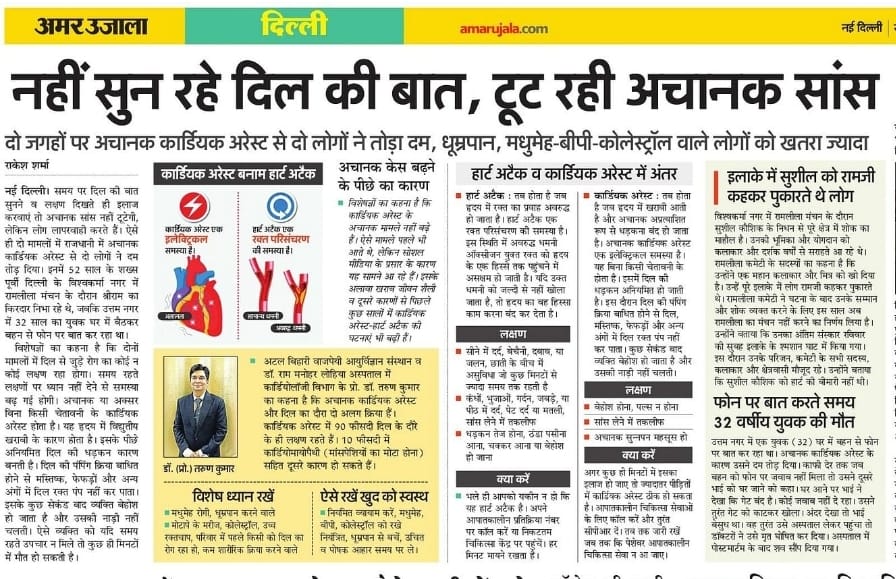
The Rising Threat of Cardiac Arrests in Young Adults: A Wake-Up Call for India
In recent years, India has witnessed a disturbing trend: a sharp increase in cardiac arrests among young adults. A recent report from Amar Ujala (Delhi edition) highlighted a tragic day in Delhi where two young individuals succumbed to sudden heart attacks, underscoring a broader health crisis. Alongside this, the prevalence of diabetes, high blood pressure (BP), and cholesterol among the youth is reaching dangerous levels. This blog delves into the causes, warning signs, and preventive measures to address this growing epidemic, drawing insights from cardiologists and health experts.