
The World Heart Day is observed on September 29 every year to raise awareness about heart health and accelerate actions to prevent, detect and manage cardiovascular diseases. As per an estimation, the WHO South-East Asia Region is home to a quarter of the world’s population and the region is experiencing a very high burden of noncommunicable diseases (NCDs). The cardiovascular diseases (CVDs) are responsible for 3.9 million annual deaths, making up 30 per cent of all deaths.

Heart attack vs cardiac arrest: Experts explain the surge
NEW DELHI: In the last few days, several incidents have come to light where a man suddenly fell due to an attack and died. In an incident from Uttar Pradesh’s Bareilly, a 48-year-old man died after he suddenly fell while dancing during a birthday party.
In one such incident, Yogesh Gupta, a resident of Jammu, collapsed and died on stage in the middle of his performance. Many such incidents have been reported in the recent past which has sparked a new debate about whether such attacks are on the rise in the post-Covid era.
No, it is not always a heart attack, says Dr (Prof) Tarun Kumar, Professor of Cardiology, RML Hospital. While talking to IANS, he said, “We hear people make these statements often interchangeably when someone has a heart condition. But they are not synonyms”.
“A heart attack is when blood flow to the heart is blocked, while sudden cardiac arrest is when the heart malfunctions and suddenly stops beating unexpectedly. A heart attack is a ‘circulation’ problem and sudden cardiac arrest is an ‘electrical problem’, explained Dr Kumar.
Sudden cardiac arrest can occur after a heart attack, or during recovery. Heart attacks increase the risk of sudden cardiac arrest. Most heart attacks do not lead to sudden cardiac arrest. But when sudden cardiac arrest occurs, a heart attack is a common cause, he said.
Dr Kumar said further that other heart conditions may also disrupt the heart’s rhythm and lead to sudden cardiac arrest. These include a thickened heart muscle (cardiomyopathy), heart failure, arrhythmias, particularly ventricular fibrillation, and long Q-T syndrome. He added further that cardiac arrest is reversible if it is treated within a few minutes. Call for emergency medical services and Begin CPR (Cardiopulmonary resuscitation) immediately and continue until professional emergency medical services arrive.
By performing hand CPR, the chances of survival rise to double or triple fold and bystander CPR, it can prove lifesaving in out-of-hospital cardiac arrest, he said.
On the rise of such cases post-Covid era, he said this is mainly because of two reasons firstly, because of increase in the incidence of cardiac arrest or heart attack in the general population as the physical activity was reduced during the Covid era and even after that and secondly, because of the wide availability of mobile phone with a camera or CCTV footage, such incidents in no time come to the Internet and go viral, Dr Kumar said.
Apart from heart-related ailments, the pandemic has triggered an array of emotional, physical, and economic issues. The post-Covid emerging literature underlines the impact of various traumatic stressors related to Covid-19 which has already led to diverse mental health problems, including anxiety, depression, posttraumatic stress disorder, and other trauma- and stress-related disorders adversely affecting both the frontline warrior doctors and the patients.
“Declining mental health remains a silent epidemic in India and the urban lifestyles are primary drivers. Amid the health workers’ emotional toll of caring for the unwell, their own mental health tends to be even more neglected, negatively impacting their physical and emotional health. Their unpredictable and erratic work schedules with long working hours and exposure to human suffering frequently results in mental blockage and burnout,” said Deepak Sharma, Co-Founder and CEO, MedLern.
When healthcare professionals seek treatment for substance abuse or mental health issues, they are frequently regarded as less capable and unpredictable. Emotional, psychological, and social well-being are crucial. The important aspect is how we respond to stress, he said.
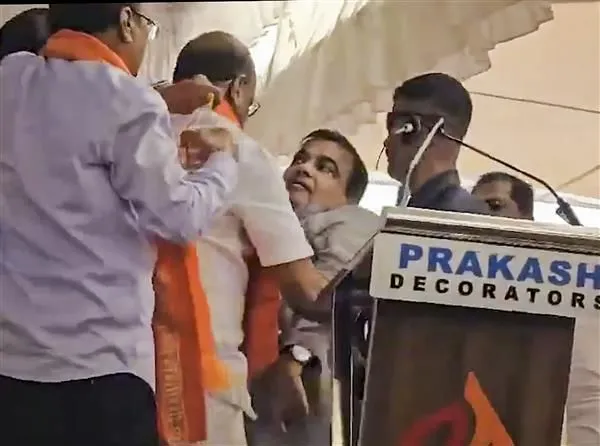
Gadkari’s collapse spurs need for first aid awareness
Soaring temperatures and hectic election campaigning took their toll on senior Bharatiya Janata Party leader and Union Minister Nitin Gadkari, who collapsed on the dais after suffering a bout of dizziness midway during his speech in Maharashtra’s Yavatmal district last week.
Gadkari, who is also a diabetic, fainted during his speech after feeling dizzy and was immediately carried away by those on stage. However, his condition stabilised soon after, and he posted on X (formerly Twitter), “I felt discomfort due to the heat at the rally in Pusad, Maharashtra. But now I am completely healthy….”
“This fainting is caused due to vasovagal syncope, a common and benign but often misunderstood condition,” explains Dr. Tarun Kumar, Professor of Cardiology at ABVIMS and a doctor at RML Hospital, Delhi, in an interview with Health on Air.
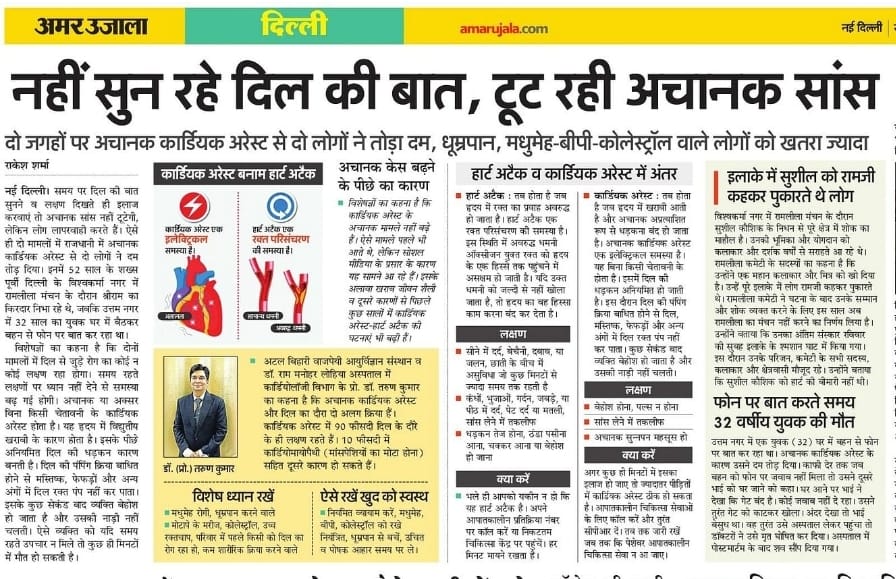
The Rising Threat of Cardiac Arrests in Young Adults: A Wake-Up Call for India
In recent years, India has witnessed a disturbing trend: a sharp increase in cardiac arrests among young adults. A recent report from Amar Ujala (Delhi edition) highlighted a tragic day in Delhi where two young individuals succumbed to sudden heart attacks, underscoring a broader health crisis. Alongside this, the prevalence of diabetes, high blood pressure (BP), and cholesterol among the youth is reaching dangerous levels. This blog delves into the causes, warning signs, and preventive measures to address this growing epidemic, drawing insights from cardiologists and health experts.