
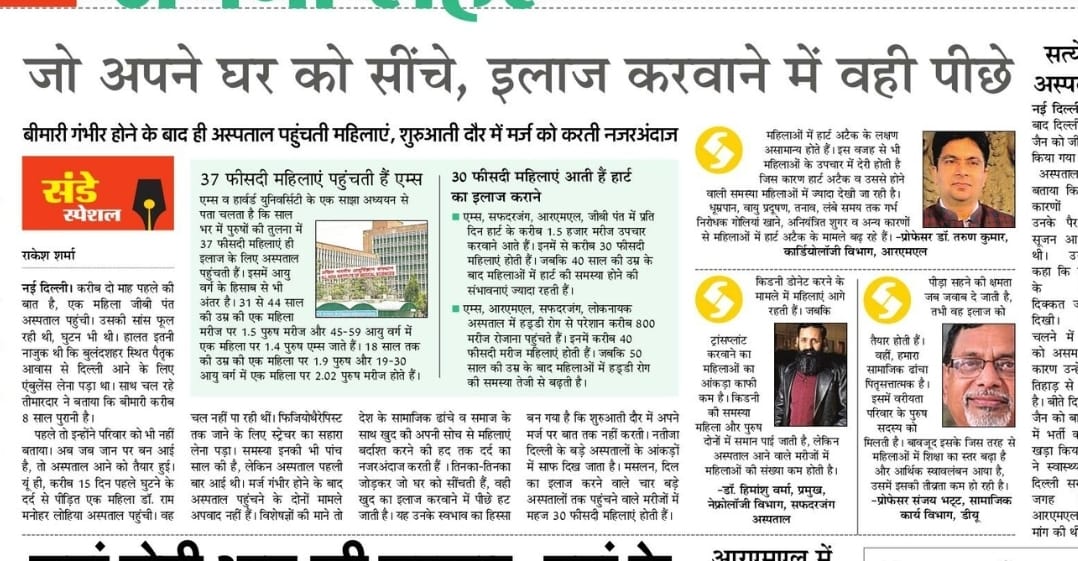
On June 6, 2024, a leading Hindi newspaper highlighted a critical issue plaguing India’s healthcare system: heart patients are facing dangerously long waiting times for treatment at major hospitals. At the All India Institute of Medical Sciences (AIIMS) in Delhi, patients needing heart surgery or procedures like angioplasty are waiting up to two years, putting their lives at risk. This blog explores the reasons behind these delays, their impact on patients, and what can be done to address this growing crisis.
The Alarming Statistics: Waiting Times at AIIMS and Beyond
The article provides stark data on the delays in heart treatment at AIIMS, one of India’s premier government hospitals:
-
37,000 Patients Waiting for Surgery: As of June 2025, 37,000 patients are on the waiting list for heart surgery at AIIMS.
-
30,000 Awaiting Angioplasty: Another 30,000 patients are waiting for angioplasty, a procedure to open blocked arteries.
-
1.5-Year Average Wait for Surgery: Patients needing heart surgery face an average wait of 1.5 years, with some waiting up to 2 years.
-
Angioplasty Delays: Those requiring angioplasty are waiting 45–90 days for OPD appointments and an additional 1.9 to 2 years for the procedure.
-
Daily OPD Load: AIIMS handles 2,000 heart patients daily in its OPD, with 10% (200 patients) needing surgery or angioplasty.
These delays are not unique to AIIMS. Other major hospitals like Safdarjung and RML in Delhi face similar backlogs, exacerbating the crisis for heart patients across India.
Why Are Heart Patients Facing Such Long Delays?
Several systemic issues contribute to the prolonged waiting times for heart treatment in India:
1. Overburdened Public Hospitals
Government hospitals like AIIMS are the first choice for many patients due to their affordability. However, with only a limited number of beds, doctors, and operation theaters, these facilities are overwhelmed. AIIMS, for instance, sees 2,000 heart patients daily but can only perform surgeries or procedures for a fraction of them.
2. Shortage of Specialists and Infrastructure
The article quotes Dr. Taruna Kumar from Apollo Hospital, who notes a severe shortage of cardiologists and cardiac surgeons. India needs more trained specialists to handle the growing number of heart patients, but the supply isn’t keeping up with demand. Additionally, public hospitals lack sufficient cath labs and operation theaters to perform procedures like angioplasty and bypass surgery.
3. High Patient Load and Prioritization Issues
With 37,000 patients waiting for surgery at AIIMS alone, the hospital struggles to prioritize cases. Emergency patients often jump the queue, pushing elective surgeries further back. This creates a vicious cycle where non-emergency patients deteriorate while waiting, eventually becoming emergency cases themselves.
4. Economic Barriers to Private Care
Private hospitals like Apollo offer faster treatment—angioplasty can be done within 2–3 days—but the cost is prohibitive for many. At AIIMS, an angioplasty costs ₹50,000, while private hospitals charge ₹1.5–2.5 lakh. For the majority of Indians who rely on government hospitals, these delays are a matter of life and death.
5. Lack of Awareness and Early Diagnosis
Many patients reach AIIMS at an advanced stage of heart disease due to delayed diagnosis. This increases the demand for complex surgeries, further straining the system. Dr. S.K. Gupta from Apollo Hospital emphasizes that early diagnosis and lifestyle changes could reduce the need for surgical interventions.
The Impact of Delays on Heart Patients
The prolonged waiting times have devastating consequences for patients:
-
Worsening Health: A 1.5–2-year wait can cause a patient’s condition to deteriorate, leading to complications like heart failure or sudden cardiac arrest.
-
Mental Stress: Patients and their families live in constant fear, knowing that delayed treatment could be fatal.
-
Economic Burden: While waiting, patients often need medications, frequent checkups, and emergency care, adding to their financial strain.
-
Loss of Lives: Some patients don’t survive the wait, as their condition becomes untreatable by the time their turn arrives.
Dr. Rakesh Yadav from AIIMS warns, “Every day of delay increases the risk for heart patients. We need systemic changes to save lives.”
What Can Be Done to Address the Crisis?
Addressing this heart treatment crisis requires a multi-pronged approach involving government, hospitals, and individuals. Here are actionable solutions:
1. Increase Infrastructure and Specialists
The government must invest in expanding cardiac care facilities at public hospitals. This includes:
-
Building more cath labs and operation theaters.
-
Training and recruiting more cardiologists and cardiac surgeons.
-
Adding hospital beds dedicated to heart patients.
2. Streamline Patient Prioritization
Hospitals like AIIMS should implement better triage systems to ensure that critical patients are treated faster without indefinitely delaying others. Telemedicine and remote consultations can help assess patient urgency and reduce OPD overcrowding.
3. Promote Early Diagnosis and Prevention
Public awareness campaigns can encourage early diagnosis of heart issues. Regular screenings for blood pressure, cholesterol, and other risk factors can catch problems before they require surgery. Dr. S.K. Gupta stresses, “Lifestyle changes like a healthy diet and exercise can prevent many heart conditions from reaching the surgical stage.”
4. Subsidize Private Care for the Poor
The government could partner with private hospitals to subsidize costs for low-income patients, ensuring faster access to procedures like angioplasty. This would reduce the burden on public hospitals while saving lives.
5. Educate Patients on Alternatives
Patients should be informed about other government hospitals with shorter waiting times or schemes like Ayushman Bharat, which can cover treatment costs at empaneled hospitals.
Expert Insights on the Heart Treatment Crisis
Cardiologists interviewed in the article provide valuable perspectives:
-
Dr. Taruna Kumar (Apollo Hospital): “The shortage of specialists and infrastructure is a major issue. We need government intervention to bridge this gap.”
-
Dr. Rakesh Yadav (AIIMS): “Patients waiting for years are at high risk. We’re doing our best, but the system needs an overhaul.”
-
Dr. S.K. Gupta (Apollo Hospital): “Prevention is key. If people adopt healthier lifestyles, we can reduce the demand for surgeries.”
Conclusion: A Call for Urgent Action
The heart treatment crisis in India, as highlighted on June 6, 2025, is a stark reminder of the gaps in our healthcare system. With 37,000 patients waiting for surgery at AIIMS and many facing delays of up to two years, lives are being lost to a preventable problem. The government, hospitals, and individuals must work together to expand infrastructure, train more specialists, and promote early diagnosis. For heart patients, every day counts—let’s ensure they get the timely care they deserve.
Related Keywords: Heart treatment delays India, AIIMS waiting time heart surgery, heart patient care challenges, affordable heart treatment India, prevent heart disease delays.