
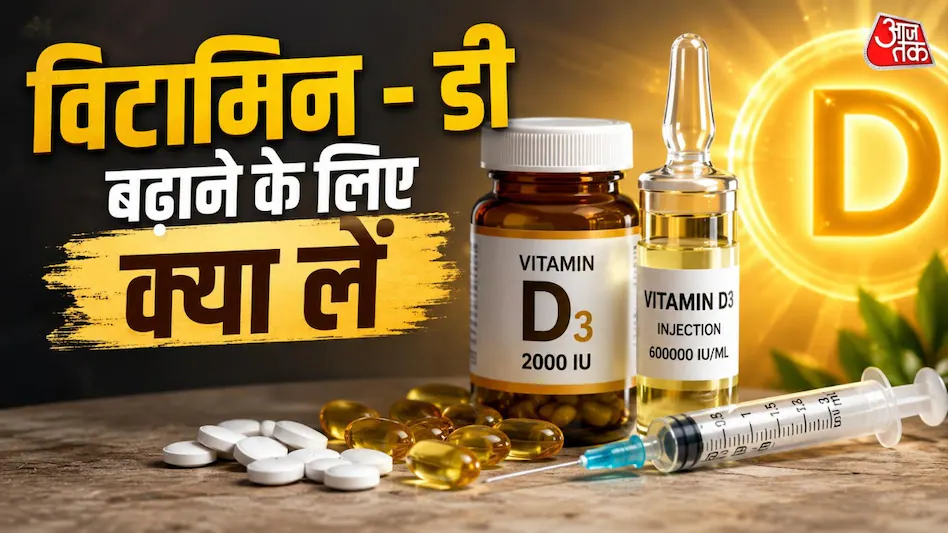
When is an injection or medication needed for low vitamin D, and when will diet and sunlight do the trick?
Vitamin D deficiency has become a common problem these days, leading to bone weakness and muscle problems. Learn when doctors recommend medication,injections, or supplements.
Vitamin D deficiency has become a common problem these days. Tests can detect the deficiency. If the vitamin D level is below 20 ng/mL, doctors medication, injections, or supplements. However, many people are not aware of the level of vitamin D and what to take. Therefore, it is important for you to know this.
Vitamin D is essential for calcium absorption, bone strength, and muscle function. However, a reported low vitamin D level doesn’t always warrant treatment. Treatment depends on blood 25(OH) vitamin D levels, a person’s symptoms, and other factors. In some cases, sun exposure and a healthy diet may be enough.
Dr. Tarun Kumar, a professor at Medanta Medicity Moolchand Hospital, has spoken about this. Dr. Tarun explains that if a person’s vitamin D level is between 20–30 ng/mL and they are asymptomatic, then 15–30 minutes of sunlight (with the face, hands, and feet exposed) 4–5 days a week can maintain the level. Additionally, it’s important to pay attention to your diet. You can include egg yolks, fish, fortified milk, and mushrooms in your diet.
When is a supplement (tablet/capsule) needed?
In cases where the vitamin D level is less than 20 ng/mL, there is bone or muscle pain, weakness or frequent falls, osteoporosis, elderly, pregnant, obese, kidney or liver disease, or absorption problems (such as celiac disease), doctors may prescribe a high dose of vitamin D3 for a few weeks, then continue with a maintenance dose.
When is an injection needed?
Injections are not necessary for every patient. They may be needed if the deficiency is severe (less than 5 ng/dL) and levels need to be raised quickly. The patient cannot swallow the medication. Vitamin D absorption from the intestines is poor. The doctor feels that regular pill administration will be difficult.
Should I take Vitamin D without testing?
Dr. Tarun explains that no one should take any vitamin D medicine or injection without getting their vitamin D levels tested. Doing so can lead to problems like kidney stones and constipation. A normal range of vitamin D above 20 ng/mL is considered healthy. 30 to 50 ng/mL is considered very good, but if it exceeds 50 ng/mL, it is called vitamin D toxicity, which is not good for health. Regarding low vitamin D levels, a level below 20 ng/mL is considered a deficiency, and below 12 ng/mL is considered a severe deficiency.

High blood pressure is becoming a “silent killer”: India has 220 million hypertension patients, but only 10-12% have their blood pressure under control; half are unaware of their condition.
The rapidly increasing prevalence of high blood pressure in India has now become a serious public health crisis. Experts estimate that millions of people are affected by this disease, but a lack of awareness, regular screening, and treatment has led to a worrying situation. The biggest threat is that a large number of people are living with this disease without symptoms, leading to sudden heart attacks, strokes, and kidney failure. Hypertension is becoming a silent killer, with alarming statistics.
On the occasion of World Hypertension Day, Dr. (Prof.) Tarun Kumar, cardiologist at Medanta, stated that approximately 220 million people in India suffer from hypertension, but only 10 to 12 percent of these patients have their blood pressure under control. He described it as a “silent killer,” saying it causes serious damage to the body without any symptoms. Half of patients are unaware of their condition.
According to experts, the biggest problem with hypertension is its diagnosis. More than 50 percent of people in the country are unaware of their high blood pressure. In this situation, if diagnosed early, the disease can become serious, directly affecting the heart, brain, and kidneys. Even after treatment, control remains difficult.
Dr. Kumar explained that a large number of patients who begin treatment discontinue their medications midway. Even among those who receive regular treatment, nearly half of them fail to control their blood pressure. This is why only a small percentage of patients reach the recommended standards. What should be the normal blood pressure?
According to experts, normal blood pressure should be less than 120/80 mmHg. If it reaches 130/80 mmHg or higher, it is considered high blood pressure and a doctor’s consultation is necessary. Diet and lifestyle changes are essential.
Lifestyle modifications, along with medication, are crucial for controlling hypertension. Doctors recommend the DASH diet, which includes fruits, vegetables, whole grains, low-fat dairy products, pulses, nuts, and seeds. Reduce salt and avoid fried foods.
Experts recommend keeping salt intake below 2,300 mg per day and limiting it to 1,500 mg for better control. It’s also important to avoid fried and high-sugar foods. Prevention is possible only through regular checkups and medication.
Doctors say that regular blood pressure checks, timely medication, and a balanced diet can significantly control this serious illness. Given the rising incidence of hypertension, awareness and discipline are the best defenses.
Why are heart attack cases increasing so rapidly in Haryana? Experts reveal the real reason.
Heart Attack: Doctors explain that there are two types of heart disease risks: one that can be controlled and the other that cannot be changed. Learn about the steps you can take to prevent them in this article.
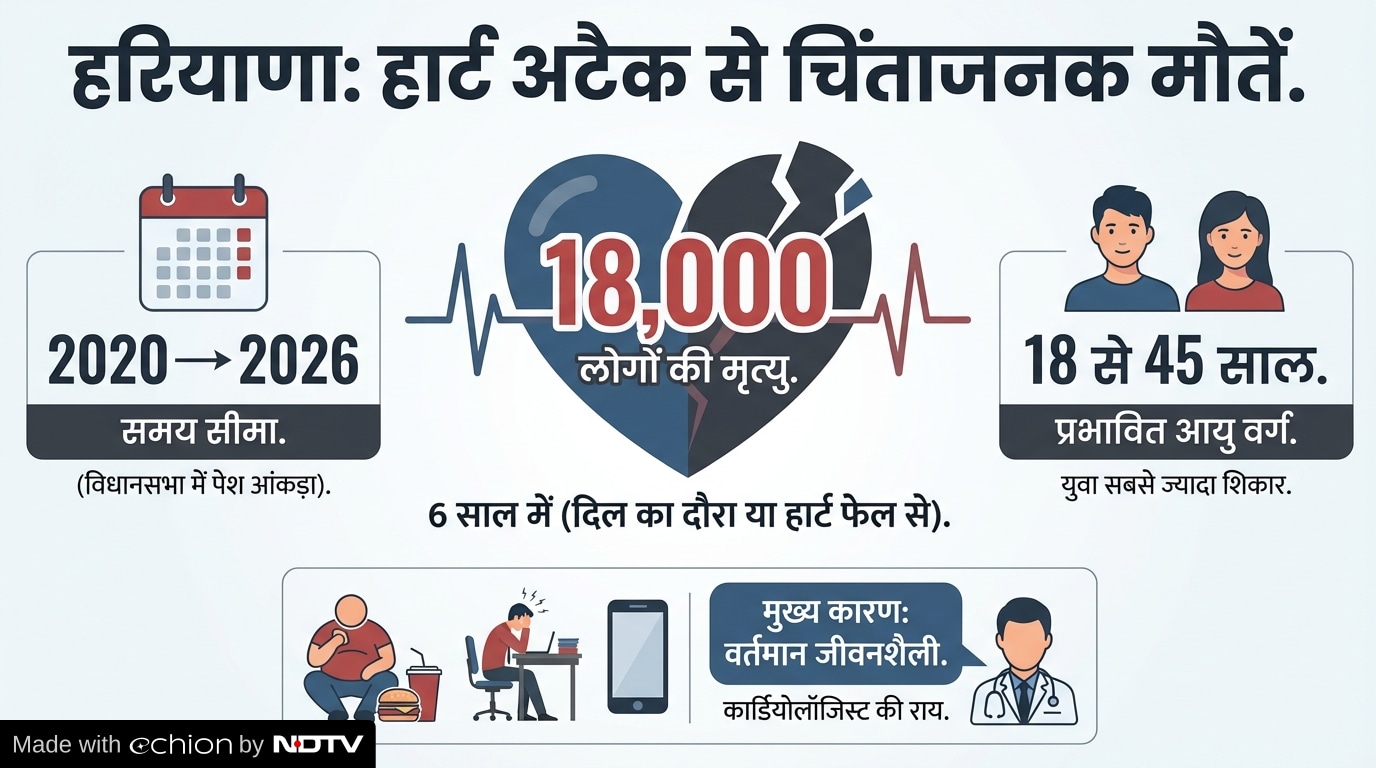
Heart Attack Reason: Cases of heart attacks have increased rapidly in the last few years. Furthermore, 18,000 people died of heart attacks in Haryana within six years . This data was presented in the Assembly. It stated that between 2020 and 2026, approximately 18,000 people between the ages of 18 and 45 died of heart attacks or heart failure. This news shocked everyone. Everyone began to wonder what the cause of these deaths was. However, the state government did not provide any information about the real cause of these deaths. We spoke to several doctors to find out the reason behind this, and most cardiologists pointed out that the current lifestyle is the main cause of heart attacks.
Why are cases of heart attacks increasing?
“Unhealthy lifestyle, low physical activity, stress and negative mental health and lack of sleep are the reasons behind the rise in such cases,” said Prof (Dr) Tarun Kumar, Head and Director, Medanta Heart Centre, Moolchand, New Delhi.
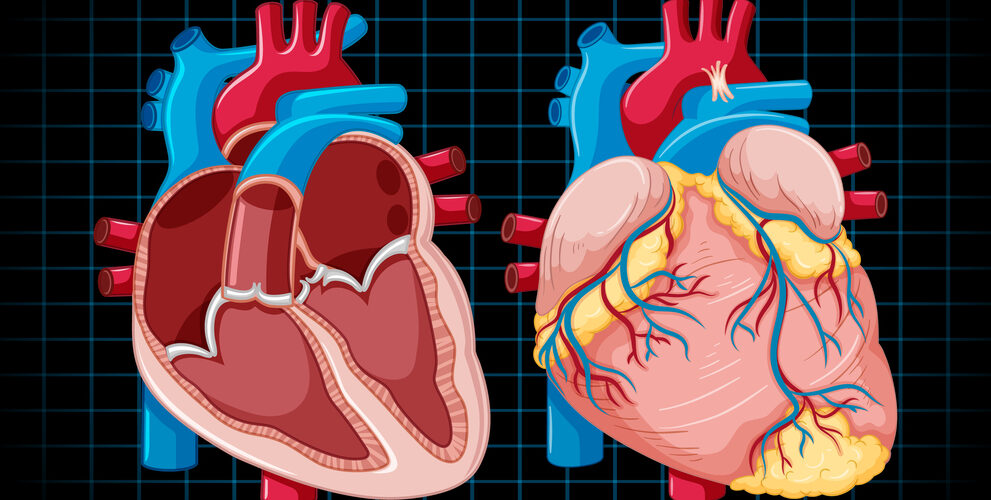
He said there are two types of heart disease risk factors: those that can be controlled and those that cannot be changed. Diseases like diabetes, high blood pressure, and high cholesterol are increasing even in young people and are a major risk factor for heart attacks, while cigarette, tobacco, and alcohol consumption also adversely affect the heart and impair endothelial (the lining of the arteries) health.
Dr. Prem Agarwal, Managing Director and Cardiologist at Sanjivan Hospital in New Delhi, also agreed that unhealthy lifestyles, poor eating habits, smoking, and insufficient exercise are the primary causes of coronary artery disease in young people. However, structural heart disease, in which a person has had heart problems since childhood, such as a hole in the heart, a defective valve, or weak muscles, can also experience heart failure. This is primarily due to genetic influences. The third major cause is heart rhythm disturbances, which can lead to various complications. This is called Sudden Arrhythmic Death Syndrome (SADS). This causes the heart’s regular heartbeat to accelerate, leading to sudden death. Stroke is also a major cause. Blocked arteries can trigger an attack in the brain, leading to sudden death. Pulmonary embolism is also a major cause of death in young people.
Experts warn on World Hypertension Day: Only 10-12% of hypertension patients in India have their blood pressure under control
Speaking to the media on the occasion of World Hypertension Day, Dr. (Prof.) Tarun Kumar, Cardiologist at Medanta Heart Centre, Medanta – The Medicity, said that around 22 crore people in India suffer from high blood pressure (hypertension), but only 10 to 12 percent of them have their blood pressure under control.

He said that hypertension is a “silent killer” and is becoming a major cause of heart disease, stroke, kidney failure and other serious diseases. The most worrying thing is that more than 50 percent of people are not even aware that their blood pressure is high.

Dr. Kumar explained that among those who are diagnosed and started on medication, approximately half discontinue treatment. Even among those who continue treatment, approximately 50 percent fail to control their blood pressure. This is why only 10 to 12 percent of patients are able to maintain their blood pressure at the recommended level.

He explained that normal blood pressure should be less than 120/80 mmHg. If blood pressure is 130/80 mmHg or higher, it is considered high blood pressure and requires medical attention.

Dr. Kumar said that along with medication, high blood pressure can be effectively controlled by a balanced diet and a healthy lifestyle. He recommended the DASH (Dietary Approaches to Stop Hypertension) diet, which includes plenty of fruits, vegetables, whole grains, low-fat dairy products, fish, pulses, beans, nuts, and seeds.

He stated that daily salt (sodium) intake should be kept below 2,300 mg. For best results, this intake can be limited to 1,500 mg. Additionally, fried foods, saturated fats, and foods high in sugar should be avoided.

Dr. Kumar stated that regular blood pressure monitoring, taking medications as prescribed by a doctor, and adopting a healthy diet can significantly reduce the growing burden of hypertension in India.