
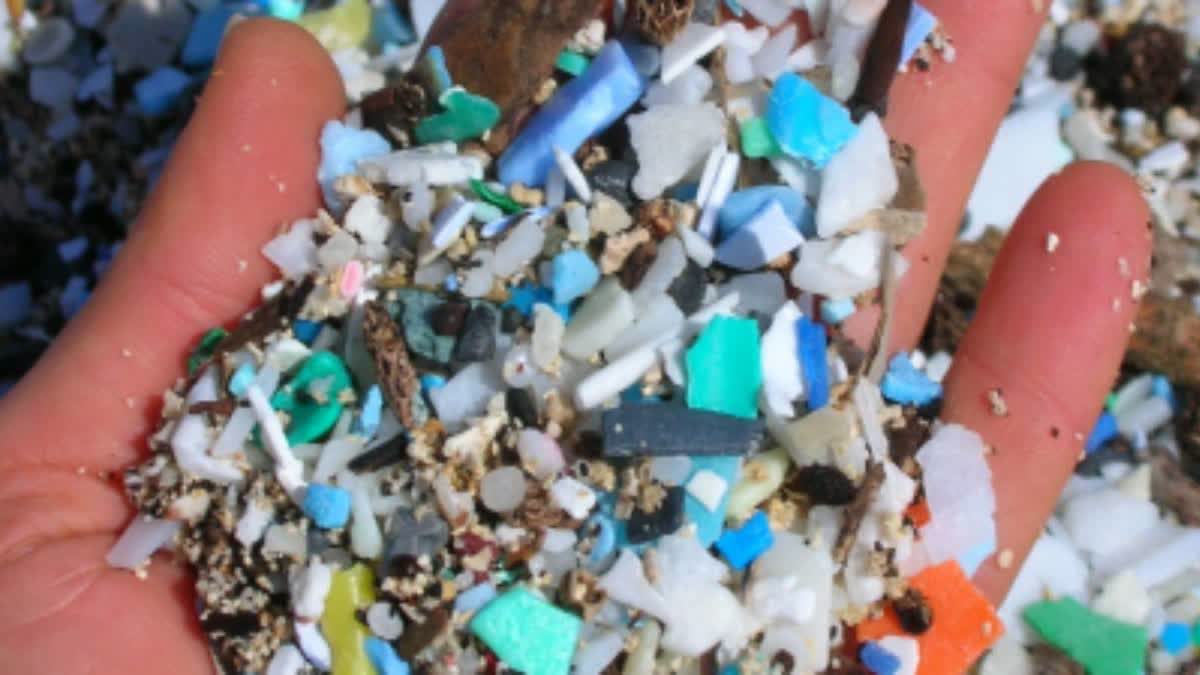
Plastic is everywhere—ubiquitous, convenient, and deeply integrated into modern life. From food packaging to medical equipment, its versatility has transformed industries and daily routines. However, this convenience comes at a steep cost. Recent research reveals a disturbing reality: microplastics—tiny plastic particles smaller than 5 millimeters—are infiltrating our bodies, found in our hearts, brains, blood, and even breast milk. This blog explores the alarming presence of microplastics in human tissues, their potential health impacts, and actionable steps to mitigate this growing crisis, drawing insights from a recent article by ETV Bharat and other credible sources.
What Are Microplastics?
Microplastics are plastic particles measuring less than 5 millimeters, often invisible to the naked eye. They originate from two primary sources:
-
Primary Microplastics: Intentionally manufactured for products like cosmetics (e.g., microbeads in exfoliants), toothpaste, or industrial pellets.
-
Secondary Microplastics: Formed from the degradation of larger plastics, such as water bottles, plastic bags, or synthetic textiles, through exposure to sunlight, water, or mechanical stress.
These particles are pervasive, found in oceans, air, soil, food, and water, making human exposure inevitable through inhalation, ingestion, or skin contact.
The Alarming Reach of Microplastics
Recent studies have uncovered microplastics in nearly every part of the human body, raising serious concerns about their impact on health. Here’s a breakdown of where they’ve been found:
-
Heart and Arteries: A 2024 study found microplastics in carotid artery plaques, doubling the risk of heart attack, stroke, or death within three years for those affected. These particles trigger inflammation and oxidative stress, contributing to cardiovascular issues.
-
Brain: Research from the University of New Mexico estimated that human brains contain microplastics equivalent to five bottle caps, with higher concentrations in individuals with dementia, suggesting a link to cognitive impairment.
-
Reproductive Organs: Microplastics have been detected in semen, testes, and ovarian follicular fluid, with studies linking them to reduced sperm count, motility, and hormonal disruptions.
-
Breast Milk and Placentas: Alarmingly, microplastics have been found in breast milk, placentas, and amniotic fluid, indicating maternal-fetal transfer and potential risks to newborn development.
-
Other Organs: Lungs, liver, kidneys, and intestines also harbor microplastics, with early studies suggesting links to respiratory diseases, liver dysfunction, and gastrointestinal issues.
This widespread infiltration underscores the urgency of addressing microplastic pollution as a public health emergency.
Health Impacts of Microplastics
While research is still evolving, the presence of microplastics in the body is associated with several health risks:
-
Cardiovascular Disease: Microplastics in arteries contribute to plaque buildup, inflammation, and a higher risk of heart attack and stroke. A 2024 study noted a 4.5-fold increased risk in affected individuals.
-
Reproductive and Hormonal Issues: Chemicals like Bisphenol A (BPA) and phthalates, leached from plastics, act as endocrine disruptors, linked to lower sperm counts, infertility, and hormonal imbalances.
-
Neurological Effects: Higher microplastic levels in brains with dementia suggest potential links to cognitive decline, neurotoxicity, and neurodegenerative diseases like Alzheimer’s or Parkinson’s.
-
Cancer Risk: Microplastics may trigger oxidative stress and DNA damage, increasing the risk of cancers, including skin and lung cancer.
-
Immune and Inflammatory Responses: Inhaled or ingested microplastics can cause chronic inflammation, potentially leading to respiratory issues like asthma or hypersensitivity pneumonitis.
-
Developmental Concerns: Exposure in utero or through breast milk may impair fetal immune development and long-term health, with animal studies showing disrupted hormonal signaling.
The exact mechanisms of harm are still under investigation, but the growing body of evidence is concerning, especially given the persistence of microplastics in the body, as they resist natural degradation.
Sources of Exposure
Microplastics enter the human body through multiple pathways:
-
Ingestion: Consuming food or water contaminated with microplastics, especially from plastic packaging, bottled water, or seafood. Ultraprocessed foods have higher microplastic content due to extended contact with plastic processing equipment.
-
Inhalation: Breathing in microplastics present in indoor dust, urban air, or industrial environments.
-
Skin Absorption: Contact with cosmetics, lotions, or synthetic textiles containing microplastics.
-
Environmental Exposure: Microplastics in soil, water, and air from industrial runoff, wastewater, or degraded plastic waste.
Daily activities, such as opening plastic bottle caps, microwaving food in plastic containers, or washing synthetic clothes, release microplastics, amplifying exposure.
The Scale of the Crisis
Global plastic production exceeds 400 million metric tons annually, projected to reach 1,100 million tons by 2050. India, the world’s largest plastic waste generator, produces 7.4 million tons yearly, much of which ends up in the environment due to poor waste management. The United Nations estimates 14 million tons of microplastics reside on the ocean floor, with coastal areas showing even higher concentrations. This relentless growth exacerbates the crisis, as microplastics persist in ecosystems and food chains, ultimately reaching humans.
Solutions and Mitigation Strategies
While eliminating microplastics from the body or environment is currently impossible, proactive steps can reduce exposure and mitigate risks:
Individual Actions
-
Reduce Plastic Use: Opt for glass, stainless steel, or ceramic containers for food and drink. Avoid microwaving food in plastic or using plastic in dishwashers, as heat causes chemical leaching.
-
Choose Natural Fibers: Use cotton, wool, or bamboo for clothing, furniture, and cleaning tools to minimize microfiber release.
-
Filter Water: Use water filters designed to remove microplastics and prefer tap water over bottled water.
-
Dietary Changes: Increase intake of fiber-rich foods (e.g., chia seeds, flaxseeds, psyllium husk) and antioxidants (fruits, vegetables, omega-3s) to support gut health and reduce inflammation.
-
Avoid Single-Use Plastics: Use reusable bags, bottles, and utensils to reduce plastic waste.
-
Check Product Labels: Avoid cosmetics or personal care products containing polyethylene, microbeads, or other plastics.
Policy and Systemic Changes
-
Regulate Plastic Production: Advocate for bans on single-use plastics and stricter regulations on microplastic-containing products.
-
Improve Waste Management: Enforce plastic segregation, recycling, and safe disposal to prevent environmental contamination.
-
Invest in Alternatives: Support research into biodegradable, non-toxic materials and microplastic filtration systems for water treatment.
-
Global Cooperation: Support the UN’s ongoing negotiations for a global plastics treaty to reduce production and pollution.
-
**Research ody needs to manually delete the chat from their conversation history in the Grok interface.