
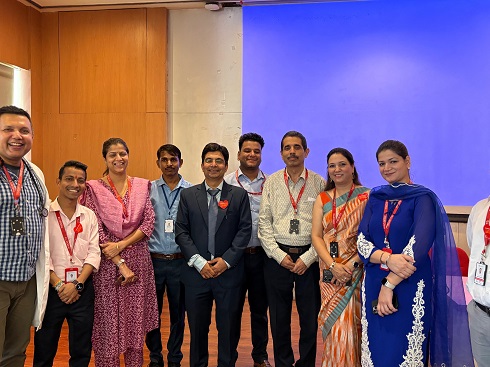
On the occasion of World Heart Day, Moolchand Medicity Hospital in South Delhi turned the spotlight inward—on doctors themselves—by organizing a special awareness camp focused on coronary artery disease (CAD) risk. More than 120 senior doctors from across South Delhi attended the initiative, which emphasized the importance of preventive heart care for those who spend their lives caring for others.
The camp began at 8:30 a.m. with detailed screenings that included vital checks, lipid testing, and advanced coronary calcium scoring. Each participant was also provided with an individualized cardiac risk assessment, giving them a personalized understanding of their heart health status.
The highlight of the event was an address by Dr. Tarun Kumar, Organising Chairman and an expert in cardiac risk assessment, who spoke candidly about the growing threat of heart disease. “Empowering doctors with up-to-date cardiac screenings and risk assessment tools not only benefits their well-being but also strengthens their advocacy for preventive cardiology among patients,” he said.
Beyond the camp’s immediate purpose, the event drew attention to a sobering reality—India’s heavy burden of cardiovascular disease (CVD). CVDs are now the leading cause of death and disability in the country, accounting for nearly 28% of all fatalities. What makes the situation particularly alarming is the early onset of disease. Many Indians, especially men, suffer heart attacks well before the age of 50, a trend rarely seen in Western populations.
Experts attribute this to a mix of lifestyle changes, unhealthy diets, tobacco use, rising stress levels, and even genetic predisposition. The shift from traditional rural diets to processed and high-fat foods, coupled with reduced physical activity in urban settings, has only added fuel to the crisis. Smoking and alcohol use further heighten risks, while increasing rates of depression and anxiety create another layer of vulnerability.
According to the Centers for Disease Control and Prevention (CDC), coronary artery disease affects nearly 18.2 million adults worldwide, including about 6.7% of adults over 20 years of age. In India, prevalence rates vary but remain concerning—ranging from 1.6% to 7.4% in rural populations and up to 13.2% in urban settings.
The economic and social toll of heart disease in India is equally significant. Rising hospitalization rates, long-term disability, and premature deaths strain both families and healthcare systems, making prevention and awareness more critical than ever.
By hosting this camp, Moolchand Medicity Hospital not only provided doctors with crucial preventive tools but also sent a powerful message—heart health begins with awareness and early action. The event concluded with an interactive lunch, where doctors exchanged insights and personal reflections, reinforcing the importance of staying vigilant about their own health while guiding patients towards better heart care.
As India continues to grapple with its escalating cardiovascular crisis, initiatives like these remind us that World Heart Day is not just symbolic—it is a call to action.