
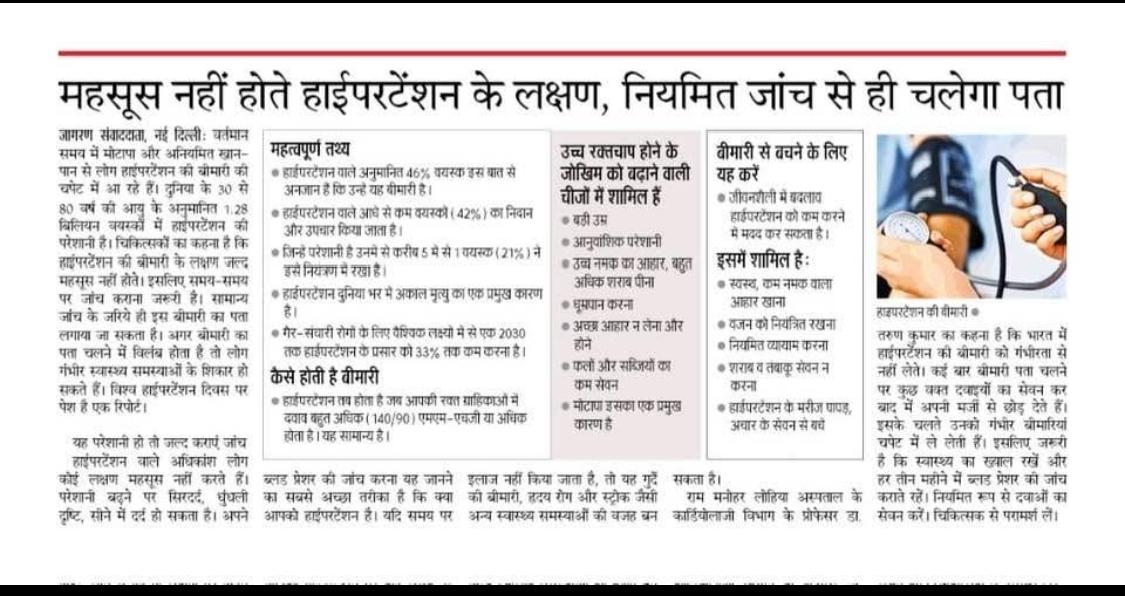
Hypertension, commonly known as high blood pressure, is often considered a condition that affects older adults or those with unhealthy lifestyles. However, recent data from India paints a concerning picture: hypertension is increasingly affecting younger individuals, including those who appear physically fit and lead active lives. A report by the Indian Council of Medical Research (ICMR) reveals that 30% of Indians suffer from hypertension, with a significant number of cases emerging among the youth. This blog delves into the key findings of the report, explores the causes, and offers insights into how to manage and prevent this silent killer.
The Alarming Statistics
According to the ICMR, 30% of the Indian population is grappling with hypertension. What’s more alarming is the prevalence among younger age groups:
- Among those aged 20 to 44, 1 in 3 individuals has hypertension.
- Of those diagnosed, 46% are unaware of their condition, as hypertension often presents no visible symptoms.
- Among young professionals, particularly in urban areas, 42% of hypertension cases are linked to stress and sedentary lifestyles.
- In rural areas, 21% of the population suffers from hypertension, often due to a lack of awareness and poor access to healthcare.
The report also highlights that 33% of hypertension patients in India are at risk of developing serious complications like heart disease by 2030 if the condition remains uncontrolled. This underscores the urgent need for awareness and intervention.
Why Are Young and Fit Individuals Affected?
Traditionally, hypertension was associated with older age, obesity, or poor lifestyle choices. However, the ICMR report reveals that even young and fit individuals are not immune. Several factors contribute to this trend:
1. Stress and Work Pressure
Modern lifestyles, especially in urban India, are characterized by high stress levels. Young professionals often face long working hours, tight deadlines, and a lack of work-life balance. The report notes that 42% of young hypertensive patients attribute their condition to work-related stress. Chronic stress triggers the release of hormones like cortisol, which can elevate blood pressure over time.
2. Sedentary Lifestyles
Despite being physically fit in appearance, many young individuals lead sedentary lives. The rise of desk jobs, excessive screen time, and a lack of regular exercise contribute to poor cardiovascular health. Even those who hit the gym may not engage in consistent aerobic activity, which is crucial for maintaining healthy blood pressure levels.
3. Unhealthy Diets
The Indian diet has evolved significantly, with a growing preference for processed and high-sodium foods. Fast food, packaged snacks, and sugary beverages are staples for many young people. The ICMR report points out that excessive salt intake is a major contributor to hypertension, with many Indians consuming far more than the recommended daily limit of 5 grams.
4. Lack of Awareness
A staggering 46% of young hypertensive individuals are unaware of their condition. Hypertension is often called a “silent killer” because it rarely shows symptoms until it leads to severe complications like heart attacks or strokes. Regular check-ups are rare among the youth, and many do not monitor their blood pressure unless prompted by a health issue.
5. Genetic and Environmental Factors
Genetic predisposition plays a role in hypertension, with many Indians having a family history of the condition. Additionally, environmental factors such as pollution, noise, and urban living conditions can exacerbate the risk.
The Consequences of Uncontrolled Hypertension
Hypertension, if left unmanaged, can lead to a host of serious health issues:
- Heart Disease: High blood pressure puts strain on the heart, increasing the risk of heart attacks and heart failure.
- Stroke: It can damage blood vessels in the brain, leading to strokes.
- Kidney Damage: Over time, hypertension can impair kidney function, potentially leading to kidney failure.
- Vision Loss: It can affect the blood vessels in the eyes, causing vision problems or blindness.
- Aneurysms: Persistent high blood pressure can weaken blood vessel walls, leading to potentially fatal aneurysms.
The ICMR warns that 33% of hypertensive patients in India could face these complications by 2030 if current trends continue.
Prevention and Management Tips
The good news is that hypertension is largely preventable and manageable with the right lifestyle changes. Here are some actionable steps:
1. Regular Monitoring
Since hypertension often goes undetected, regular blood pressure checks are crucial. Young individuals, especially those with a family history, should monitor their blood pressure at least once every few months. Home blood pressure monitors are affordable and easy to use.
2. Stress Management
Incorporate stress-relief techniques into your daily routine. Practices like yoga, meditation, and deep breathing can help lower cortisol levels and reduce blood pressure. Additionally, ensuring a healthy work-life balance and taking regular breaks can mitigate work-related stress.
3. Healthy Diet
Adopt a diet rich in fruits, vegetables, whole grains, and lean proteins. Reduce sodium intake by limiting processed foods and cooking with fresh ingredients. The DASH (Dietary Approaches to Stop Hypertension) diet, which emphasizes low sodium and high potassium, is particularly effective.
4. Regular Exercise
Aim for at least 150 minutes of moderate aerobic exercise per week, such as brisk walking, cycling, or swimming. Exercise strengthens the heart and helps maintain healthy blood pressure levels. Even simple activities like taking the stairs instead of the elevator can make a difference.
5. Limit Alcohol and Quit Smoking
Excessive alcohol consumption and smoking can raise blood pressure and damage blood vessels. Limiting alcohol to moderate levels (one drink per day for women, two for men) and quitting smoking can significantly improve cardiovascular health.
6. Medical Intervention
If lifestyle changes are not enough, consult a doctor. Medications like ACE inhibitors, beta-blockers, or diuretics may be prescribed to manage hypertension. Regular follow-ups with a healthcare provider ensure that the condition is under control.
Expert Insights
Dr. Anil Bhargava, a cardiologist at Apollo Hospital, emphasizes the importance of awareness among the youth. “Hypertension is no longer just an older person’s disease. Young individuals must take proactive steps to monitor their blood pressure and adopt a healthy lifestyle. Ignoring this condition can lead to irreversible damage,” he warns.
Conclusion
The rising prevalence of hypertension among young and fit individuals in India is a wake-up call. With 30% of the population affected and a significant number at risk of complications, it’s time to prioritize cardiovascular health. By addressing stress, adopting a healthy diet, exercising regularly, and monitoring blood pressure, we can curb this growing epidemic. Awareness and early intervention are key to ensuring that hypertension doesn’t claim more lives in the years to come.
Let’s take charge of our health today—because prevention is always better than cure.