High blood pressure is becoming a “silent killer”: India has 220 million hypertension patients, but only 10-12% have their blood pressure under control; half are unaware of their condition.

The rapidly increasing prevalence of high blood pressure in India has now become a serious public health crisis. Experts estimate that millions of people are affected by this disease, but a lack of awareness, regular screening, and treatment has led to a worrying situation. The biggest threat is that a large number of people are living with this disease without symptoms, leading to sudden heart attacks, strokes, and kidney failure. Hypertension is becoming a silent killer, with alarming statistics.

On the occasion of World Hypertension Day, Dr. (Prof.) Tarun Kumar, cardiologist at Medanta, stated that approximately 220 million people in India suffer from hypertension, but only 10 to 12 percent of these patients have their blood pressure under control. He described it as a “silent killer,” saying it causes serious damage to the body without any symptoms. Half of patients are unaware of their condition.

According to experts, the biggest problem with hypertension is its diagnosis. More than 50 percent of people in the country are unaware of their high blood pressure. In this situation, if diagnosed early, the disease can become serious, directly affecting the heart, brain, and kidneys. Even after treatment, control remains difficult.

Dr. Kumar explained that a large number of patients who begin treatment discontinue their medications midway. Even among those who receive regular treatment, nearly half of them fail to control their blood pressure. This is why only a small percentage of patients reach the recommended standards. What should be the normal blood pressure?

According to experts, normal blood pressure should be less than 120/80 mmHg. If it reaches 130/80 mmHg or higher, it is considered high blood pressure and a doctor’s consultation is necessary. Diet and lifestyle changes are essential.

Lifestyle modifications, along with medication, are crucial for controlling hypertension. Doctors recommend the DASH diet, which includes fruits, vegetables, whole grains, low-fat dairy products, pulses, nuts, and seeds. Reduce salt and avoid fried foods.

Experts recommend keeping salt intake below 2,300 mg per day and limiting it to 1,500 mg for better control. It’s also important to avoid fried and high-sugar foods. Prevention is possible only through regular checkups and medication.

Doctors say that regular blood pressure checks, timely medication, and a balanced diet can significantly control this serious illness. Given the rising incidence of hypertension, awareness and discipline are the best defenses.

Why are heart attack cases increasing so rapidly in Haryana? Experts reveal the real reason.


Heart Attack: Doctors explain that there are two types of heart disease risks: one that can be controlled and the other that cannot be changed. Learn about the steps you can take to prevent them in this article.

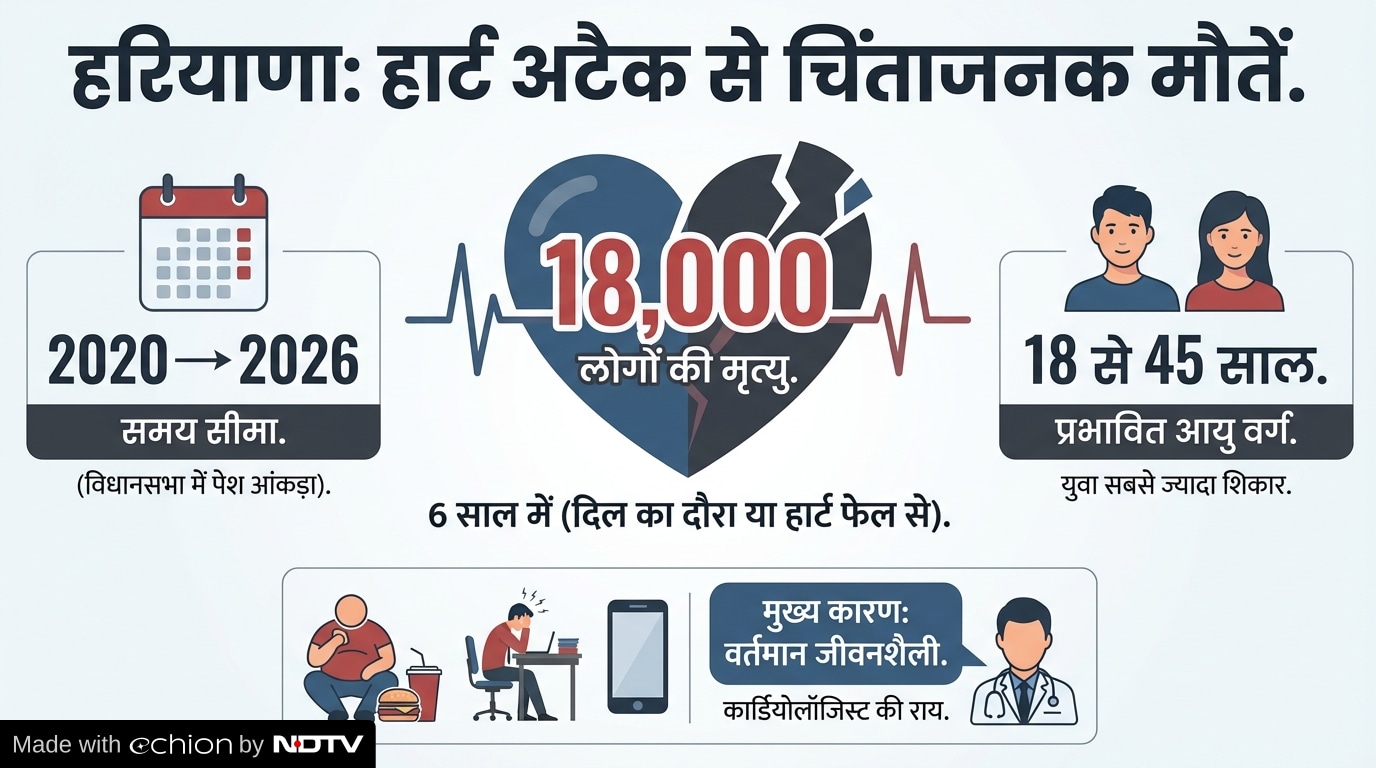
Heart Attack Reason: Cases of heart attacks have increased rapidly in the last few years. Furthermore, 18,000 people died of heart attacks in Haryana within six years . This data was presented in the Assembly. It stated that between 2020 and 2026, approximately 18,000 people between the ages of 18 and 45 died of heart attacks or heart failure. This news shocked everyone. Everyone began to wonder what the cause of these deaths was. However, the state government did not provide any information about the real cause of these deaths. We spoke to several doctors to find out the reason behind this, and most cardiologists pointed out that the current lifestyle is the main cause of heart attacks.

Why are cases of heart attacks increasing?

“Unhealthy lifestyle, low physical activity, stress and negative mental health and lack of sleep are the reasons behind the rise in such cases,” said Prof (Dr) Tarun Kumar, Head and Director, Medanta Heart Centre, Moolchand, New Delhi. 

He said there are two types of heart disease risk factors: those that can be controlled and those that cannot be changed. Diseases like diabetes, high blood pressure, and high cholesterol are increasing even in young people and are a major risk factor for heart attacks, while cigarette, tobacco, and alcohol consumption also adversely affect the heart and impair endothelial (the lining of the arteries) health. 

Dr. Prem Agarwal, Managing Director and Cardiologist at Sanjivan Hospital in New Delhi, also agreed that unhealthy lifestyles, poor eating habits, smoking, and insufficient exercise are the primary causes of coronary artery disease in young people. However, structural heart disease, in which a person has had heart problems since childhood, such as a hole in the heart, a defective valve, or weak muscles, can also experience heart failure. This is primarily due to genetic influences. The third major cause is heart rhythm disturbances, which can lead to various complications. This is called Sudden Arrhythmic Death Syndrome (SADS). This causes the heart’s regular heartbeat to accelerate, leading to sudden death. Stroke is also a major cause. Blocked arteries can trigger an attack in the brain, leading to sudden death. Pulmonary embolism is also a major cause of death in young people.

Experts warn on World Hypertension Day: Only 10-12% of hypertension patients in India have their blood pressure under control

Speaking to the media on the occasion of World Hypertension Day, Dr. (Prof.) Tarun Kumar, Cardiologist at Medanta Heart Centre, Medanta – The Medicity, said that around 22 crore people in India suffer from high blood pressure (hypertension), but only 10 to 12 percent of them have their blood pressure under control.

He said that hypertension is a “silent killer” and is becoming a major cause of heart disease, stroke, kidney failure and other serious diseases. The most worrying thing is that more than 50 percent of people are not even aware that their blood pressure is high.

Dr. Kumar explained that among those who are diagnosed and started on medication, approximately half discontinue treatment. Even among those who continue treatment, approximately 50 percent fail to control their blood pressure. This is why only 10 to 12 percent of patients are able to maintain their blood pressure at the recommended level.

He explained that normal blood pressure should be less than 120/80 mmHg. If blood pressure is 130/80 mmHg or higher, it is considered high blood pressure and requires medical attention.

Dr. Kumar said that along with medication, high blood pressure can be effectively controlled by a balanced diet and a healthy lifestyle. He recommended the DASH (Dietary Approaches to Stop Hypertension) diet, which includes plenty of fruits, vegetables, whole grains, low-fat dairy products, fish, pulses, beans, nuts, and seeds.

He stated that daily salt (sodium) intake should be kept below 2,300 mg. For best results, this intake can be limited to 1,500 mg. Additionally, fried foods, saturated fats, and foods high in sugar should be avoided.

Dr. Kumar stated that regular blood pressure monitoring, taking medications as prescribed by a doctor, and adopting a healthy diet can significantly reduce the growing burden of hypertension in India.

We should not miss a beat to take care of our own heart health, says Dr Tarun Kumar

Cardiovascular diseases (CVDs) have become one of India’s biggest health concerns, claiming thousands of lives every year and affecting people at increasingly younger ages.

Cardiovascular diseases (CVDs) have become one of India’s biggest health concerns, claiming thousands of lives every year and affecting people at increasingly younger ages. According to the World Health Organisation, CVDs account for nearly 27 per cent of all noncommunicable disease deaths in India and are responsible for 45 per cent of deaths among those aged 40–69. Even more worrying, recent studies show rising hypertension and obesity among children and adolescents—placing nearly 69 million (6.9 crore) Indian youth at risk of future heart disease. 

The growing crisis is reflected in tragic incidents across the country. In Rajasthan’s Sikar district, a nine-year-old girl collapsed in school and died, reportedly of a heart attack, after suddenly dropping her lunchbox during the break. In Maharashtra’s Kolhapur, a 10-year-old boy died while playing at a Ganpati mandal after he began feeling uneasy and collapsed. These are not isolated cases but reminders that even children are becoming vulnerable to heart-related issues. 

First Check spoke with Dr (Prof) Tarun Kumar, Associate Director and Head, Medanta Moolchand Heart Center, to understand why India is seeing such an alarming rise in heart disease, why even children are at risk, and what families can do to detect, prevent, and manage this silent killer. 

India’s escalating heart crisis 

India is facing a growing heart disease crisis, and the risks are far higher compared to many other countries. “Indians are three to five times more prone to heart disease than populations in the US, Japan, or China,” explained Dr Tarun. Traditionally, cases emerged a decade earlier in India, with the peak incidence at 50–60 years of age, compared to 60–70 in the West. 

What alarms experts now is the shift in age profile. “In the post-COVID era, more cases are being reported among younger people, especially those between 35 and 45. Sudden deaths in this group are rising,” Dr Tarun said. 

heart
Dr Tarun Kumar

He attributed this trend to both genetic and lifestyle factors. India already leads the world in hypertension and diabetes, while obesity is rising sharply—even among teenagers, with nearly 40 per cent classified as obese. A recent study also showed that in 40–50 per cent of couples, both partners are overweight. 

“Obesity, diabetes, hypertension, stress, sedentary living, and smoking are major drivers,” Dr Tarun noted. “Even those who don’t smoke are exposed to high risk due to severe environmental pollution.” 

Heart disease in children and teenagers 

Cardiac complications are no longer limited to adults—cases among children and teenagers are also being reported, though the causes differ significantly. Dr Tarun explained, “It is important to distinguish between cardiac arrest and heart attack. A cardiac arrest is an electrical phenomenon in which the heart suddenly stops beating, and the blood supply to vital organs collapses. A heart attack, on the other hand, is caused by blocked arteries leading to reduced blood flow, chest pain, or myocardial ischemia.” 

In adults and the elderly, heart attacks are the most common trigger for cardiac arrest. “More than 90 per cent of sudden cardiac arrests in older patients are linked to heart attacks,” he noted. “But in children, that is not the case—there are other factors at play.” 

According to Dr Tarun, these include genetic arrhythmias such as long QT syndrome or Brugada syndrome, which can cause sudden fluctuations in heart rhythm. Cardiomyopathies, particularly hypertrophic cardiomyopathy, may also lead to dangerous arrhythmias during physical exertion. In some cases, congenital coronary artery anomalies are responsible for reduced blood flow and collapse. 

“Heart attacks in children are extremely rare,” Dr Tarun clarified. “They usually occur only in those with a very strong family history of coronary artery disease. For most children, cardiac arrest is linked to arrhythmias, cardiomyopathies, or structural anomalies rather than blocked arteries.” 

Why are cases rising in India? 

According to Dr Tarun, heart disease can broadly present as chronic coronary artery disease or acute coronary syndromes. 

In the chronic form, cholesterol deposits gradually narrow arteries, causing exertional chest pain. In acute syndromes, however, even small cholesterol deposits can rupture suddenly, leading to clot formation and complete blockage. “This can happen at any age, depending on genetic makeup and risk factors,” he says. 

Stress, uncontrolled diabetes, hypertension, sedentary lifestyles, and poor diet all increase vulnerability. But Dr Tarun highlights modern lifestyle factors too- “energy drinks, steroids, unregulated protein supplements, and sudden unaccustomed exercise are increasingly triggering acute heart attacks in the young. We’ve seen people collapse at gyms or dance floors because of plaque rupture.” 

What early warning signs should people never ignore? 

Recognising early warning signs of heart disease can be lifesaving. “If someone experiences discomfort, heaviness, burning, or pain in the chest—whether in the center or left side—it should not be ignored,” said Dr Tarun. He explained that the discomfort can also appear in the upper abdomen, radiate to the left arm, or even extend to the lower jaw. 

When these symptoms are accompanied by sweating, breathlessness, or a feeling of unease, immediate medical attention is crucial. “Consult a doctor right away so that the cause can be properly evaluated,” he advised. 

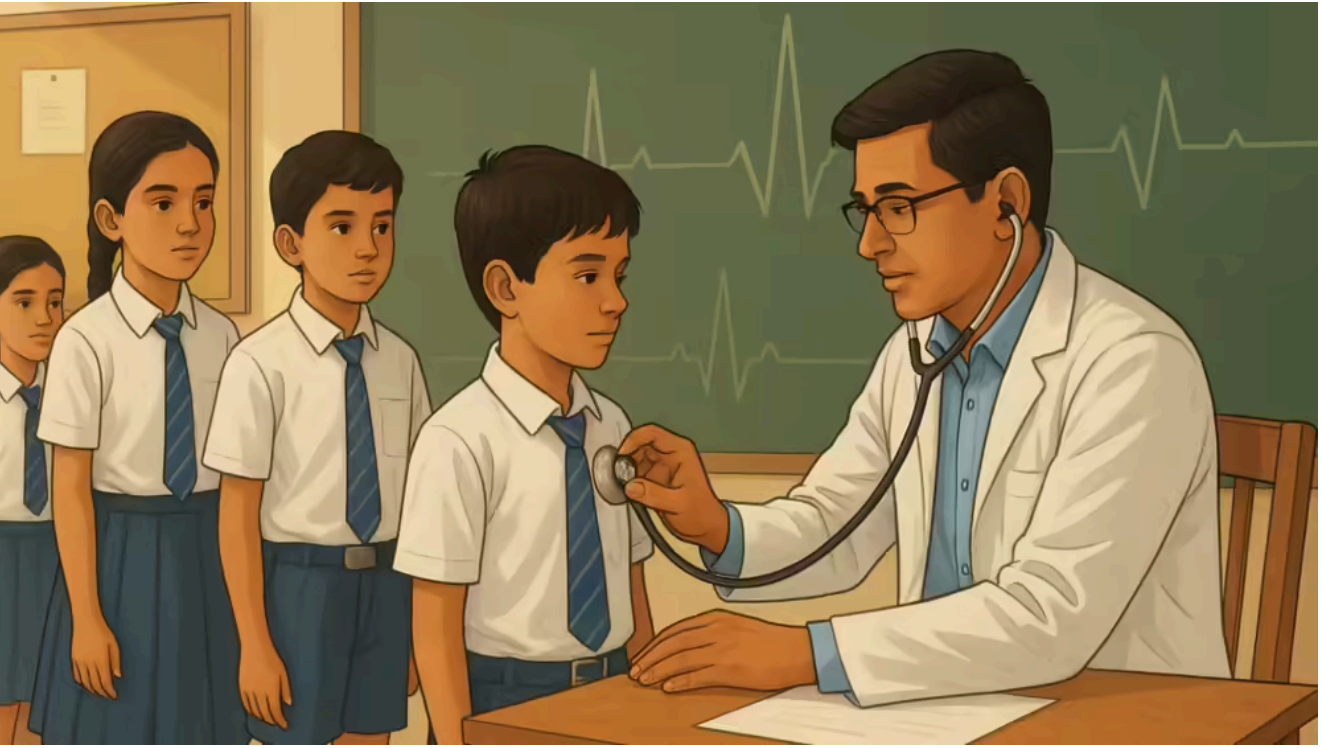
Dr Tarun also emphasised the importance of preventive checks, especially for teenagers with risk factors such as obesity, diabetes, or a family history of heart disease. “Children entering adolescence should undergo ECG, echocardiography, blood sugar, and lipid profile tests, along with monitoring weight and BMI. If anything appears abnormal, it should be rechecked periodically,” he said. 

For young people planning to start intense workouts, Dr Tarun recommended precautionary screenings. “At minimum, they should get an ECG, echocardiography, and treadmill test (TMT) done before beginning heavy exercise,” he noted. 

He also cautioned against unsafe supplements. “Many protein powders and steroid-based products on the market are of questionable quality. It’s always safer to rely on natural sources—fruits, vegetables, and proteins from whole foods—rather than artificial products,” he added. Exercise, he stressed, should always be done under proper guidance. 

A message on World Heart Day: Don’t miss a beat 

This year’s World Heart Day theme—Don’t Miss a Beat—resonated strongly with Dr Tarun. “You are the most important person to yourself and your family. Don’t miss a beat, take charge of your health,” he says. 

He recommends periodic check-ups, even if one feels healthy- annual blood investigations, regular monitoring of blood pressure, sugar, lipids, and weight, and 30–45 minutes of moderate exercise at least five days a week. 

“Risk stratification must begin early by age 25 or 30. Today, we have advanced tools like coronary calcium scoring and genetic markers that can identify risks early. If needed, even a small cholesterol-lowering tablet can dramatically reduce the chance of a future heart attack. Prevention is always better than cure,” he adds. 

“Every moment counts when it comes to your heart. Don’t miss a beat to care for it,” Dr Tarun advised. 

In ICU, I realised I was the youngest heart attack patient

“I felt like a shrinking balloon. Imagine filling a balloon with a hole. No matter how hard you blow into it, it doesn’t swell up but collapses and becomes limp. That was the sucked-out feeling I had as I could not breathe,” says 34-year-old Gurugram-based restaurant owner Varun Sharma, recalling the morning of his heart attack on April 1.

He was rushed to Medanta Hospital where a stent — a mesh-like tube inserted to keep arteries open and restore normal flow — was put in his heart. According to Dr Tarun Kumar, senior director, cardiology, Medanta-Moolchand Heart Centre, he had a major heart attack and was admitted after developing chest pain, restlessness, sweating and breathlessness. “An ECG showed he had an acute anterior wall myocardial infarction. He was managed with primary angioplasty.

Pollution! Not only the lungs but also the heart, a doctor warns against heart attacks in NCR.

Air Pollution and Heart Attack: As Diwali approaches, pollution levels in Delhi-NCR increase. A layer of smog engulfs Delhi, Noida, Ghaziabad, Gurugram, and Faridabad, along with surrounding areas. This time too, the air quality index of many NCR cities has reached the poor category. Due to increased pollution, people often face lung problems and breathing difficulties, but you will be surprised to know that pollution not only destroys your respiratory system but also severely affects your heart.

According to health experts, people who spend extended periods of time in polluted environments are more likely to develop heart disease than those who live in normal environments. These individuals may experience problems like sudden cardiac arrest, silent heart attack, stroke, and high blood pressure. In light of the rising pollution in Delhi-NCR, doctors have cautioned residents and advised them to protect themselves from pollution and stay safe.

This thing present in the body, not cholesterol, is becoming the enemy of the heart, giving a double blow to the youth.

Pollution is a major risk factor for the heart.
Professor Tarun Kumar, an interventional cardiologist at Medanta Moolchand Heart Center, explains that heart attack cases are more common in polluted cities. It has also been observed that families living near major highways are more prone to heart disease. Pollution is a major risk factor for heart disease, especially in developing countries. Controlling pollution can help prevent heart problems.

How dangerous is pollution for the heart?
Dr. Kumar says that even if you live in a polluted city and don’t smoke, you’re still inhaling as much smoke, pollutants, and chemicals as smoking 15-20 cigarettes. As you know, smoking contains at least 3,000-4,000 chemicals that damage your arteries, cause inflammation, and damage your endothelial lining, all of which increase your risk of a heart attack.

Preventive measures are essential.
Health experts are constantly advising people living in polluted cities to avoid pollution exposure. Doctors recommend staying indoors as much as possible during times of pollution and trying to keep the home environment pollution-free. For heart health, exercise regularly and stay hydrated by consuming a high-liquid diet, as well as eating nutritious food.

India’s Youth at Rising Risk of Heart Disease – Lifestyle Change is the Only Cure

New Delhi (World Heart Day): India today carries one of the world’s heaviest burdens of cardiovascular disease (CVD). Accounting for nearly 28% of all deaths, CVDs have emerged as the leading cause of mortality and disability in the country.

Speaking on the occasion of World Heart Day, Dr. Tarun Kumar, Associate Director, Interventional Cardiology, Medanta Heart Institute, cautioned that heart disease is no longer confined to the elderly.

“We are witnessing heart attacks in men as young as 30 and 40 years old. What was once a disease of the 60s and 70s is now striking Indians two to three decades earlier. This is a wake-up call for the entire nation,” said Dr. Kumar.

Key Trends

Leading killer: CVDs are the number one cause of death in India.

Early onset: A significant proportion of heart attacks occur in men under 50.

High-risk profile: Hypertension, diabetes, and high cholesterol are widely prevalent and steadily increasing.

Rapid transition: India has moved quickly from infectious diseases to non-communicable diseases like CVDs in just a few decades.

Lifestyle and Risk Factors

Experts point to urbanization, sedentary lifestyles, unhealthy diets, tobacco and alcohol use, and high stress as the biggest drivers of this epidemic. Rising consumption of refined carbohydrates, high-fat, ultra-processed foods, and the decline in intake of fruits and whole grains are fueling the crisis.

Mental health challenges, including depression and anxiety, are also worsening cardiovascular risk, while genetic predisposition in Indians makes them even more vulnerable.

Social and Economic Toll

CVDs account for a large share of disability-adjusted life years (DALYs) lost in India, with hospitalization rates significantly higher than in other populations. The economic and social burden is immense—straining healthcare systems and families alike.

Globally, the CDC reports that nearly 18.2 million adults (6.7%) in the U.S. live with coronary artery disease (CAD). In India, prevalence ranges from 1.6% to 7.4% in rural areas and 1% to 13.2% in urban populations.

The Way Forward

Dr. Tarun Kumar emphasized that prevention is the only real solution:

“Balanced diets, regular physical activity, avoiding tobacco and alcohol, and managing stress must become part of our culture. Parents, teachers, and communities have a shared responsibility to ensure our children grow up active and heart-healthy. Without urgent lifestyle changes, India faces an unprecedented heart disease epidemic.”

Doctors Take the Lead in Heart Health: Moolchand Medicity Hosts World Heart Day Camp

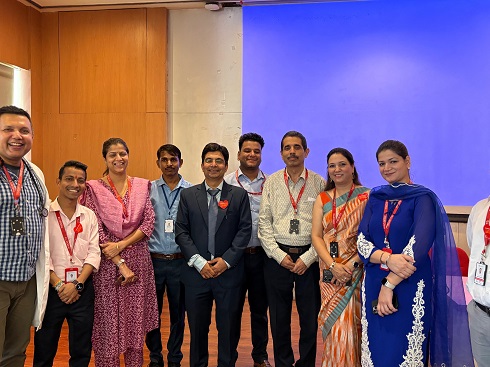
On the occasion of World Heart Day, Moolchand Medicity Hospital in South Delhi turned the spotlight inward—on doctors themselves—by organizing a special awareness camp focused on coronary artery disease (CAD) risk. More than 120 senior doctors from across South Delhi attended the initiative, which emphasized the importance of preventive heart care for those who spend their lives caring for others.

The camp began at 8:30 a.m. with detailed screenings that included vital checks, lipid testing, and advanced coronary calcium scoring. Each participant was also provided with an individualized cardiac risk assessment, giving them a personalized understanding of their heart health status.

The highlight of the event was an address by Dr. Tarun Kumar, Organising Chairman and an expert in cardiac risk assessment, who spoke candidly about the growing threat of heart disease. “Empowering doctors with up-to-date cardiac screenings and risk assessment tools not only benefits their well-being but also strengthens their advocacy for preventive cardiology among patients,” he said.

Beyond the camp’s immediate purpose, the event drew attention to a sobering reality—India’s heavy burden of cardiovascular disease (CVD). CVDs are now the leading cause of death and disability in the country, accounting for nearly 28% of all fatalities. What makes the situation particularly alarming is the early onset of disease. Many Indians, especially men, suffer heart attacks well before the age of 50, a trend rarely seen in Western populations.

Experts attribute this to a mix of lifestyle changes, unhealthy diets, tobacco use, rising stress levels, and even genetic predisposition. The shift from traditional rural diets to processed and high-fat foods, coupled with reduced physical activity in urban settings, has only added fuel to the crisis. Smoking and alcohol use further heighten risks, while increasing rates of depression and anxiety create another layer of vulnerability.

According to the Centers for Disease Control and Prevention (CDC), coronary artery disease affects nearly 18.2 million adults worldwide, including about 6.7% of adults over 20 years of age. In India, prevalence rates vary but remain concerning—ranging from 1.6% to 7.4% in rural populations and up to 13.2% in urban settings.

The economic and social toll of heart disease in India is equally significant. Rising hospitalization rates, long-term disability, and premature deaths strain both families and healthcare systems, making prevention and awareness more critical than ever.

By hosting this camp, Moolchand Medicity Hospital not only provided doctors with crucial preventive tools but also sent a powerful message—heart health begins with awareness and early action. The event concluded with an interactive lunch, where doctors exchanged insights and personal reflections, reinforcing the importance of staying vigilant about their own health while guiding patients towards better heart care.

As India continues to grapple with its escalating cardiovascular crisis, initiatives like these remind us that World Heart Day is not just symbolic—it is a call to action.

Indians are hospitalized more frequently for cardiovascular complications

New Delhi, Sept 29: On the occasion of World Heart Day, a new study has raised alarms about India’s growing vulnerability to chronic diseases. While most countries have reported a decline in mortality from illnesses such as cancer and heart disease over the past decade, India is among the few where the chances of dying from these conditions have increased for both men and women.

A Lancet study highlights that the burden of heart disease in India is particularly severe among women. The risk is most pronounced for women above 40 and men over 55. However, women are disproportionately affected, facing a sharper increase in mortality risk compared to men. The probability of an Indian woman dying from a non-communicable disease (NCD) before the age of 80 rose from 46.6% in 2011 to 48.7% in 2019.

Dr. Tarun Kumar, Associate Director and Head at Medanta Moolchand Heart Center.

Dr. Tarun Kumar, Associate Director and Head at Medanta Moolchand Heart Center, said, “Deaths from chronic diseases, including heart disease, are rising rapidly in India. Between 2010 and 2019, the risk of death from non-communicable diseases increased by 2.1% for women and 0.1% for men.”

A separate study by G.B. Pant Hospital revealed another worrying trend: men above 50 years are more prone to heart attacks compared to those suffering from diabetes or high blood pressure. The study, conducted on 5,335 heart attack patients, exposed serious gaps in emergency healthcare. Nearly 79.3% of patients reporting heart attacks were taken to non-specialized hospitals, and fewer than half received angioplasty.

The age profile of patients is equally alarming. About 32% of cases were among younger individuals, with an average age of 41.3 years. Of these, 18.3% were below 35, and 9.5% were women. In older patients, 60% were above 50 years of age, with their average age being 60.5 years, and among them, 20.8% were women.

Lifestyle patterns deepened concerns: three out of four young patients did not engage in physical activity, and half were obese.

The study also examined the crucial “golden hour” of treatment. Only 46.9% of patients managed to reach a hospital within an hour of the attack. Another 18.4% arrived within one to three hours, 20.9% within three to 12 hours, 4.6% within 12 to 24 hours, while 9.2% reached after more than a day.

Even the mode of transportation raised questions about access to emergency care. Nearly 46.4% of patients reached hospitals on their own, 31.2% used public transport, and only 22.4% were brought by ambulance.

Marking World Heart Day, Moolchand Medicity Hospital in Delhi organized a special awareness camp focused on coronary artery disease risk detection and prevention.

Over 120 senior doctors from across the capital participated. The day began at 8:30 a.m. with registration and baseline vital checks, followed by lipid profile testing and advanced coronary calcium scoring. Each participant received an individualized cardiac risk assessment, emphasizing proactive approaches to heart health.

Dr. Tarun Kumar further stressed, “Heart disease affects Indians at a much earlier age than in other ethnic groups, with a significant number of heart attacks occurring in men under 50. Factors such as high blood pressure, high cholesterol, and diabetes are prevalent and on the rise, fueling the burden of heart disease.”

He added that genetics could also be at play: “Studies suggest that Indians may have a predisposition to high levels of plasminogen activator inhibitor (PAI-1) and other inflammatory markers, which increase cardiovascular risk. Compared to other ethnic groups, Indians are hospitalized more frequently for cardiovascular complications.”