Indians are hospitalized more frequently for cardiovascular complications

New Delhi, Sept 29: On the occasion of World Heart Day, a new study has raised alarms about India’s growing vulnerability to chronic diseases. While most countries have reported a decline in mortality from illnesses such as cancer and heart disease over the past decade, India is among the few where the chances of dying from these conditions have increased for both men and women.

A Lancet study highlights that the burden of heart disease in India is particularly severe among women. The risk is most pronounced for women above 40 and men over 55. However, women are disproportionately affected, facing a sharper increase in mortality risk compared to men. The probability of an Indian woman dying from a non-communicable disease (NCD) before the age of 80 rose from 46.6% in 2011 to 48.7% in 2019.

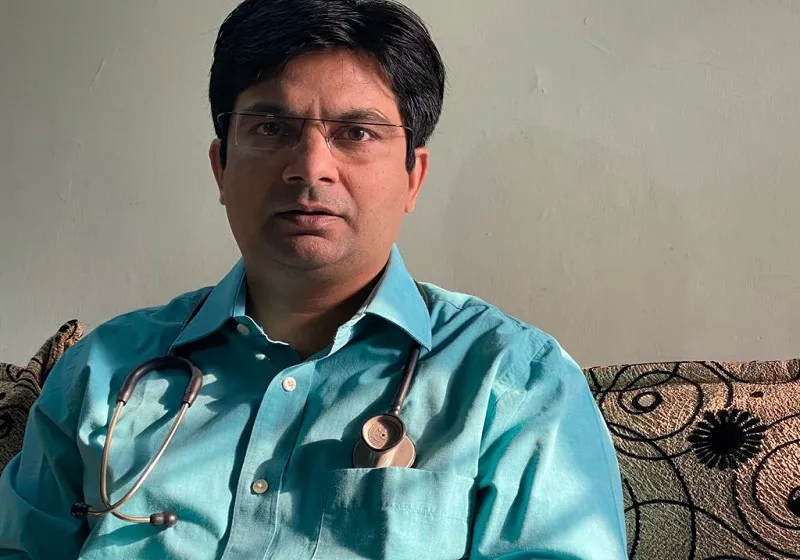
Dr. Tarun Kumar, Associate Director and Head at Medanta Moolchand Heart Center.

Dr. Tarun Kumar, Associate Director and Head at Medanta Moolchand Heart Center, said, “Deaths from chronic diseases, including heart disease, are rising rapidly in India. Between 2010 and 2019, the risk of death from non-communicable diseases increased by 2.1% for women and 0.1% for men.”

A separate study by G.B. Pant Hospital revealed another worrying trend: men above 50 years are more prone to heart attacks compared to those suffering from diabetes or high blood pressure. The study, conducted on 5,335 heart attack patients, exposed serious gaps in emergency healthcare. Nearly 79.3% of patients reporting heart attacks were taken to non-specialized hospitals, and fewer than half received angioplasty.

The age profile of patients is equally alarming. About 32% of cases were among younger individuals, with an average age of 41.3 years. Of these, 18.3% were below 35, and 9.5% were women. In older patients, 60% were above 50 years of age, with their average age being 60.5 years, and among them, 20.8% were women.

Lifestyle patterns deepened concerns: three out of four young patients did not engage in physical activity, and half were obese.

The study also examined the crucial “golden hour” of treatment. Only 46.9% of patients managed to reach a hospital within an hour of the attack. Another 18.4% arrived within one to three hours, 20.9% within three to 12 hours, 4.6% within 12 to 24 hours, while 9.2% reached after more than a day.

Even the mode of transportation raised questions about access to emergency care. Nearly 46.4% of patients reached hospitals on their own, 31.2% used public transport, and only 22.4% were brought by ambulance.

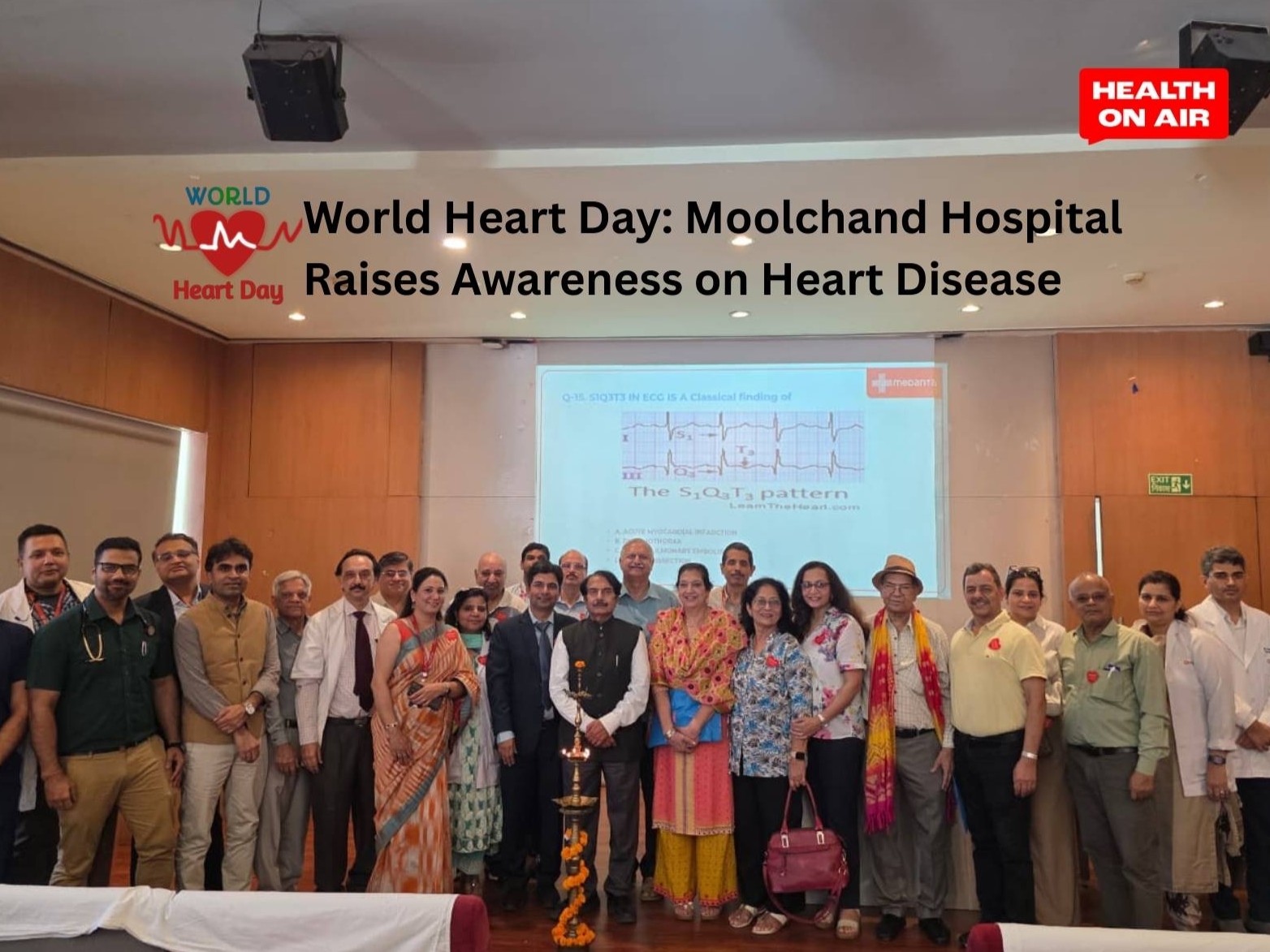
Marking World Heart Day, Moolchand Medicity Hospital in Delhi organized a special awareness camp focused on coronary artery disease risk detection and prevention.

Over 120 senior doctors from across the capital participated. The day began at 8:30 a.m. with registration and baseline vital checks, followed by lipid profile testing and advanced coronary calcium scoring. Each participant received an individualized cardiac risk assessment, emphasizing proactive approaches to heart health.

Dr. Tarun Kumar further stressed, “Heart disease affects Indians at a much earlier age than in other ethnic groups, with a significant number of heart attacks occurring in men under 50. Factors such as high blood pressure, high cholesterol, and diabetes are prevalent and on the rise, fueling the burden of heart disease.”

He added that genetics could also be at play: “Studies suggest that Indians may have a predisposition to high levels of plasminogen activator inhibitor (PAI-1) and other inflammatory markers, which increase cardiovascular risk. Compared to other ethnic groups, Indians are hospitalized more frequently for cardiovascular complications.”

The Microplastic Crisis: Plastic in Your Heart, Brain, and Baby’s Milk

Plastic is everywhere—ubiquitous, convenient, and deeply integrated into modern life. From food packaging to medical equipment, its versatility has transformed industries and daily routines. However, this convenience comes at a steep cost. Recent research reveals a disturbing reality: microplastics—tiny plastic particles smaller than 5 millimeters—are infiltrating our bodies, found in our hearts, brains, blood, and even breast milk. This blog explores the alarming presence of microplastics in human tissues, their potential health impacts, and actionable steps to mitigate this growing crisis, drawing insights from a recent article by ETV Bharat and other credible sources.

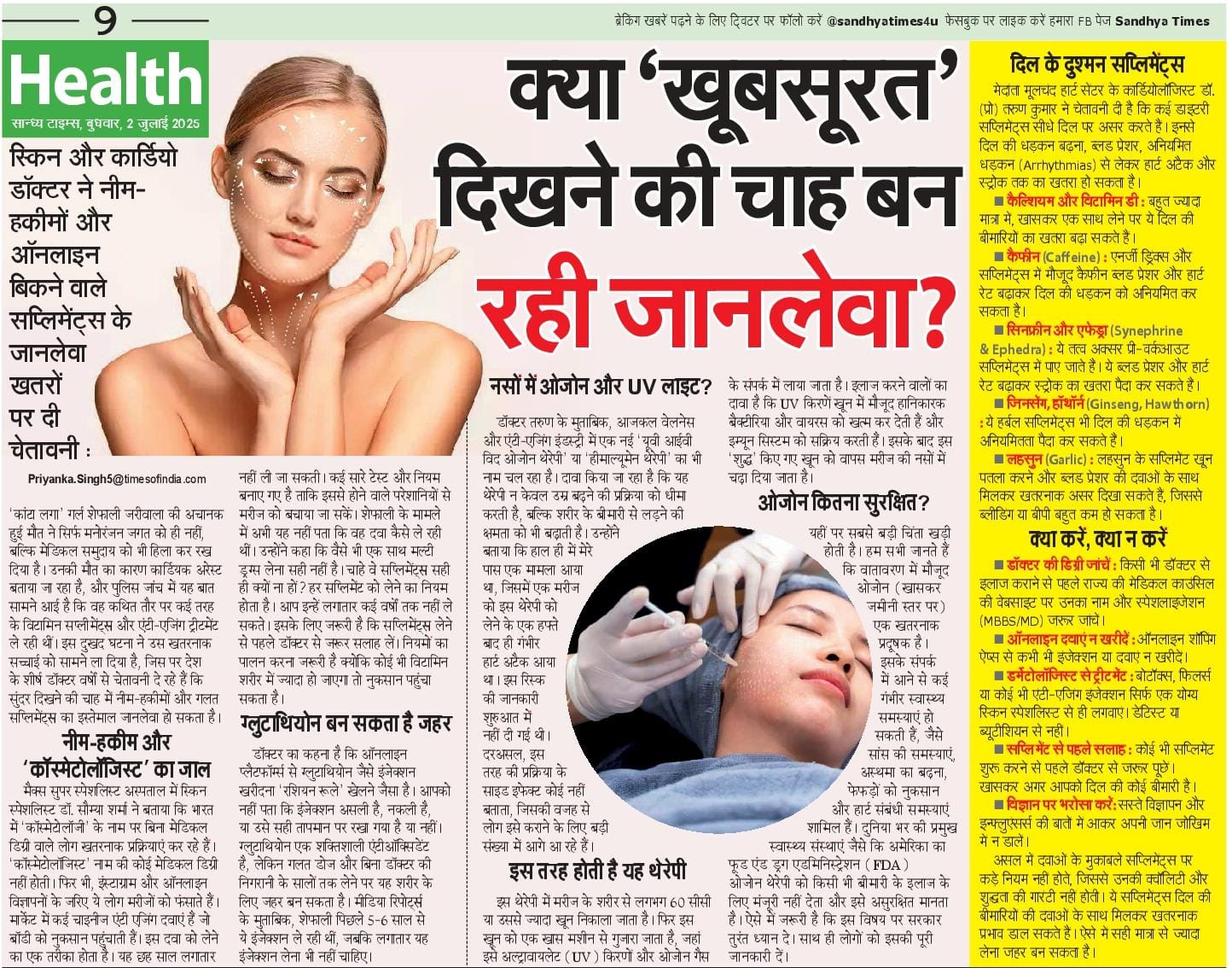
Skincare and Cosmetic Procedures: Insights from a Health

July 2, 2025, published by The Times of India. Titled “Health,” this article explores the growing trend of cosmetic procedures and their impact on skin health. With a focus on the question “क्या ‘खूबसूरत’ दिखने की चाह बन रही जानलेवा?” (Is the desire to look beautiful becoming life-threatening?), the piece examines the risks and benefits of cosmetic treatments, online consultations, and the roles of dermatologists and cardiologists. Let’s break down the key sections and insights from this informative article.

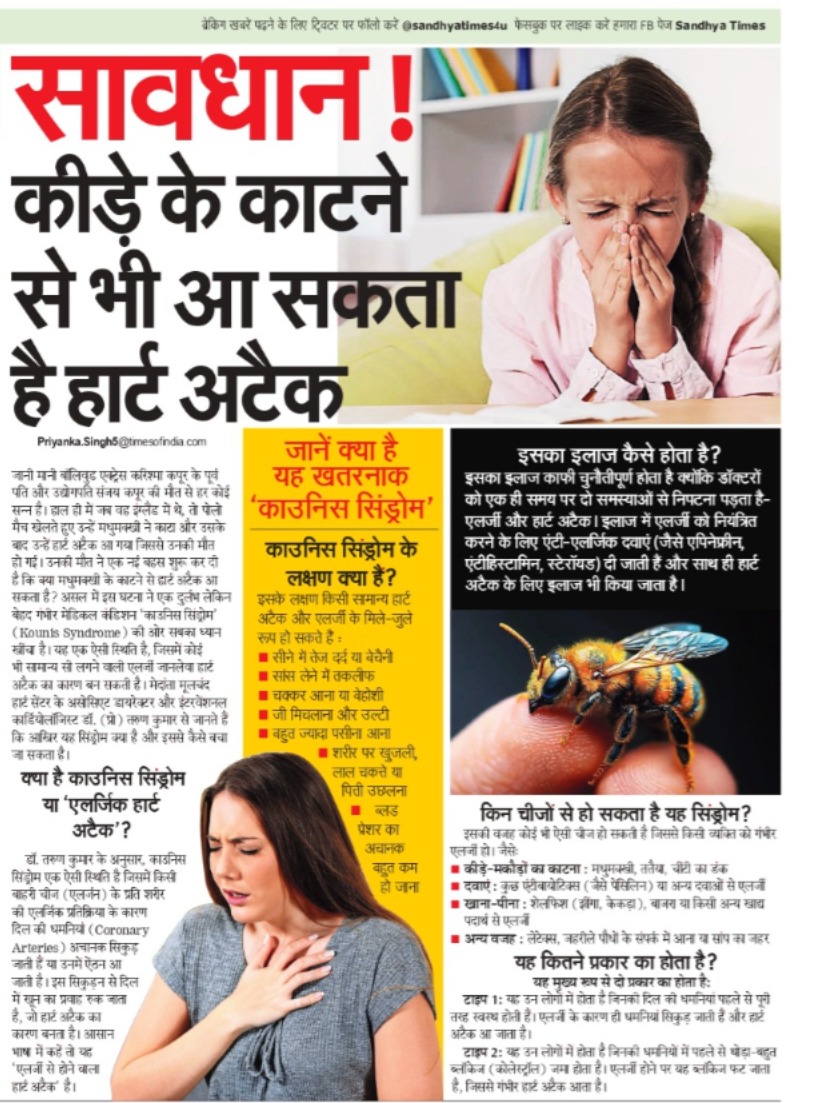
Beware! Insect Bites Can Also Cause Heart Attacks

A Deep Dive Into Kounis Syndrome – The Allergic Heart Attack

When we think of heart attacks, most people imagine common causes like high cholesterol, high blood pressure, or diabetes. But did you know that something as seemingly minor as an insect bite can also trigger a heart attack? This rare condition is called Kounis Syndrome, also known as an Allergic Heart Attack.

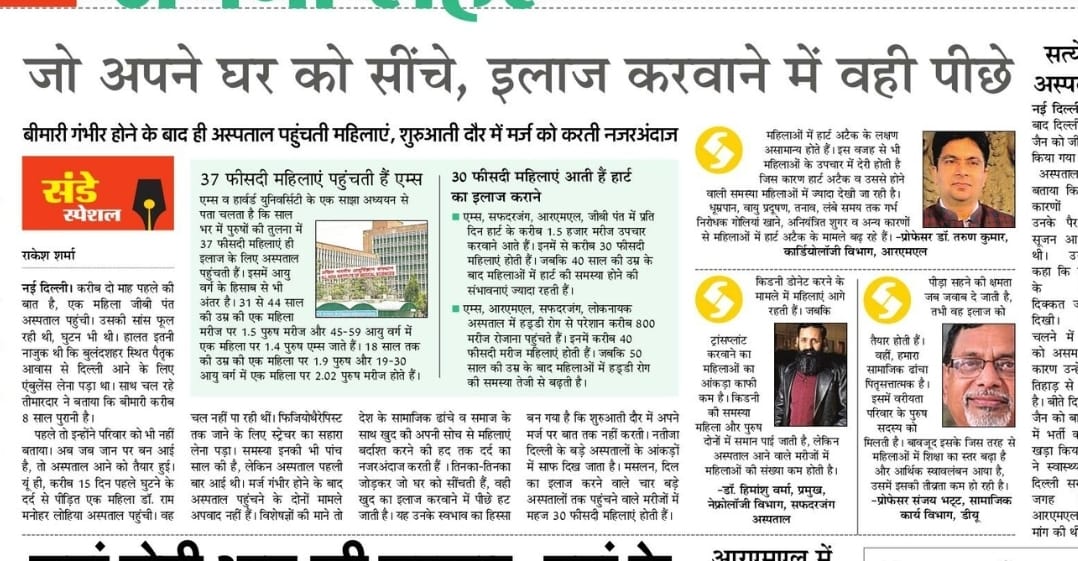
Heart Treatment Crisis in India 2025: Long Waiting Times Endanger Lives

On June 6, 2024, a leading Hindi newspaper highlighted a critical issue plaguing India’s healthcare system: heart patients are facing dangerously long waiting times for treatment at major hospitals. At the All India Institute of Medical Sciences (AIIMS) in Delhi, patients needing heart surgery or procedures like angioplasty are waiting up to two years, putting their lives at risk. This blog explores the reasons behind these delays, their impact on patients, and what can be done to address this growing crisis.

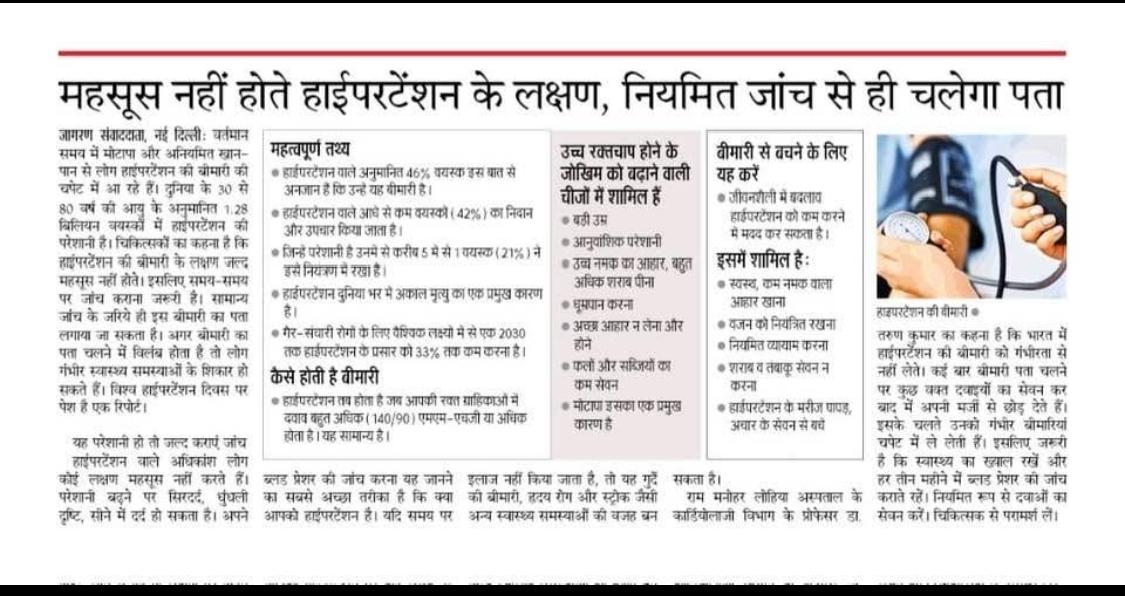
Hypertension in India: A Growing Concern Even Among the Young and Fit

Hypertension, commonly known as high blood pressure, is often considered a condition that affects older adults or those with unhealthy lifestyles. However, recent data from India paints a concerning picture: hypertension is increasingly affecting younger individuals, including those who appear physically fit and lead active lives. A report by the Indian Council of Medical Research (ICMR) reveals that 30% of Indians suffer from hypertension, with a significant number of cases emerging among the youth. This blog delves into the key findings of the report, explores the causes, and offers insights into how to manage and prevent this silent killer.

Over 90% heart attacks can be prevented following disciplined lifestyle: Expert

The World Heart Day is observed on September 29 every year to raise awareness about heart health and accelerate actions to prevent, detect and manage cardiovascular diseases. As per an estimation, the WHO South-East Asia Region is home to a quarter of the world’s population and the region is experiencing a very high burden of noncommunicable diseases (NCDs). The cardiovascular diseases (CVDs) are responsible for 3.9 million annual deaths, making up 30 per cent of all deaths.

Hypertension Day: Know the symptoms and prevention measures of high blood pressure

High blood pressure , also known as hypertension, is a serious health problem that can lead to heart disease, stroke, and other health problems over time. It occurs when blood pressure measurements are consistently above the normal range. Normal blood pressure is 120/80 mmHg, and when it is 140/90 mmHg or higher, it is considered high blood pressure. According to JAMA Journal 2019 research, 1 in every 4 adults in India has high BP. Most of these cases are not detected in time.

The Growing Epidemic of Obesity and Heart Disease in Young Adults: A Focus on Delhi

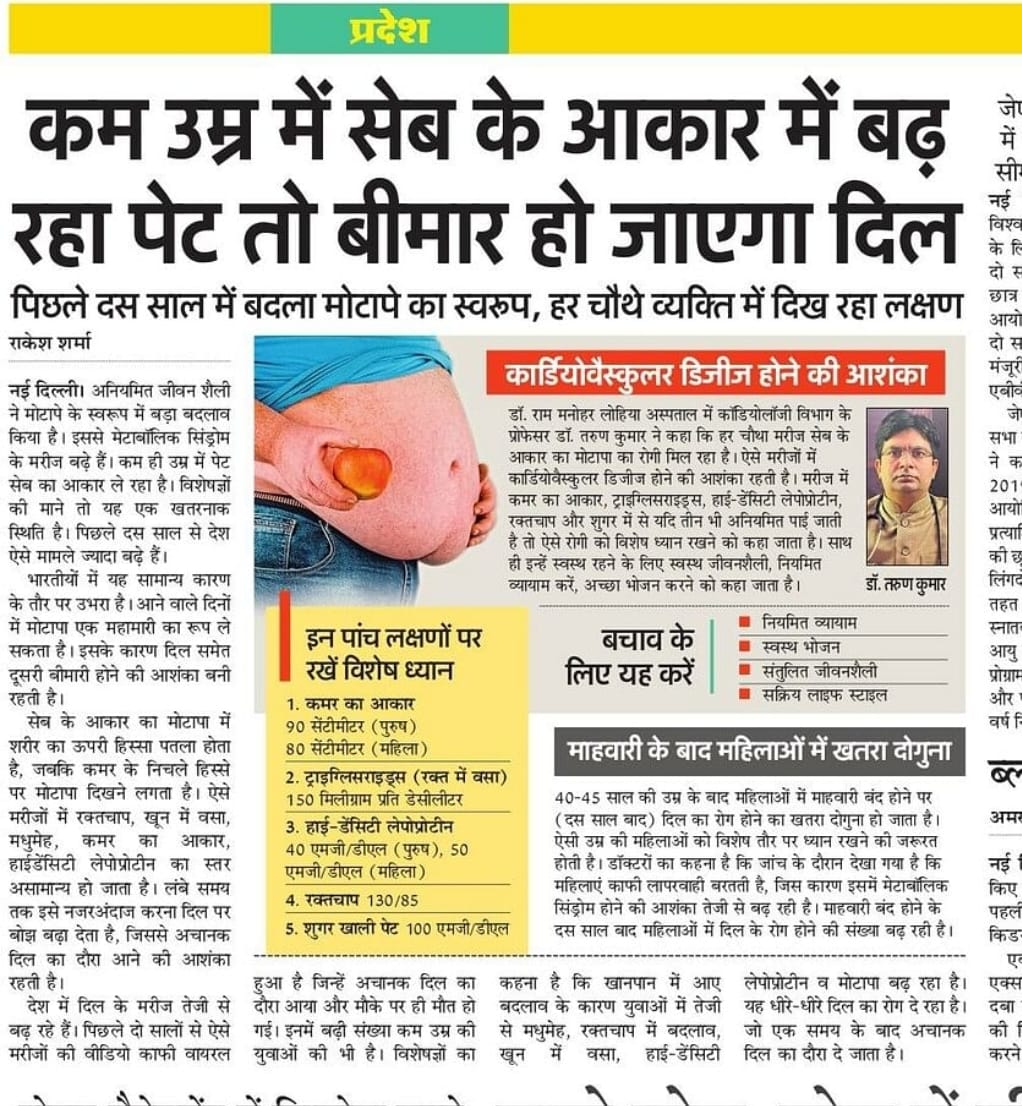
Over the past decade, Delhi has seen a dramatic rise in obesity among its youth, a trend that is now being linked to an alarming increase in cardiovascular diseases. A recent article published in the Pradesh section of a Hindi newspaper sheds light on this growing health crisis, emphasizing the risks of obesity, particularly for women after menopause, and the urgent need for awareness and lifestyle changes. With insights from cardiologist Dr. Tarun Kumar, this blog explores the causes, risks, and preventive strategies to combat this escalating epidemic.